

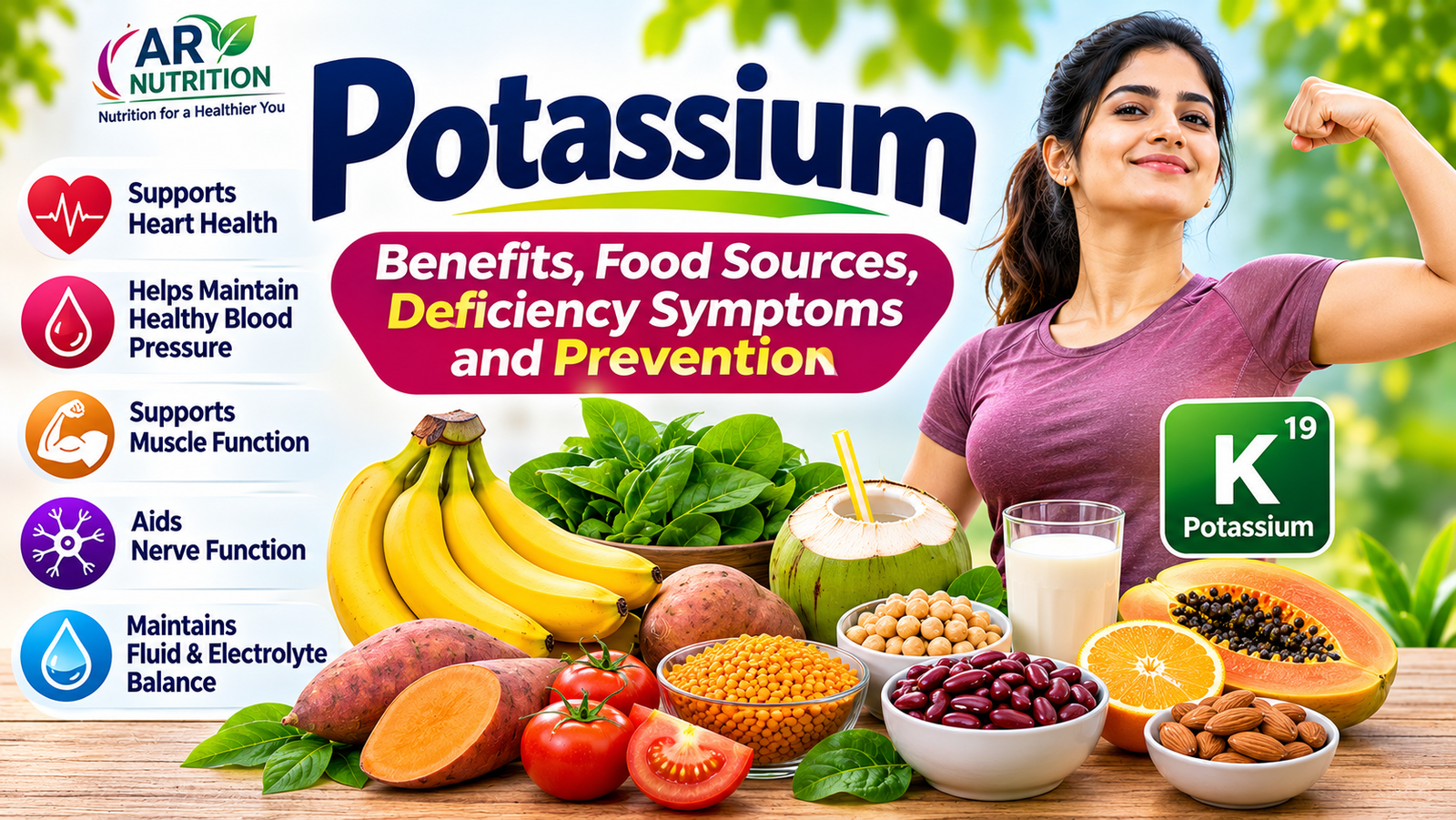
Potassium is an essential mineral and electrolyte that plays a vital role in maintaining normal body functions. It supports heart health, muscle contractions, nerve communication, fluid balance and blood pressure regulation. Every day, the body depends on potassium to maintain the electrical activity of cells and ensure that different organs function properly.
Potassium is naturally present in many commonly consumed foods, including bananas, potatoes, spinach, tomatoes, pulses, beans, milk, curd, nuts and seeds. A balanced diet containing fruits, vegetables, whole grains, pulses and other nutrient-rich foods can help provide adequate potassium.
Despite its importance, many people do not consume enough potassium-rich foods. At the same time, people with certain kidney conditions or those taking particular medications may develop dangerously high potassium levels.
Both low and high potassium levels can affect the muscles, nerves and heart. Therefore, maintaining an appropriate potassium balance is important for overall health.
In this article, we will explore potassium benefits, its functions, daily requirements, potassium-rich Indian foods, deficiency symptoms, causes, high potassium levels and practical dietary strategies for maintaining healthy potassium balance.
1. What Is Potassium?
Potassium is an essential mineral that also functions as an electrolyte. Electrolytes are minerals that carry an electrical charge when dissolved in body fluids.
Potassium is the major positively charged electrolyte inside the body's cells. It works together with sodium, another important electrolyte, to maintain fluid balance and electrical activity across cell membranes.
Approximately 98% of the body's potassium is found inside cells, while a small amount circulates in the blood and other extracellular fluids.
Although blood potassium represents only a small portion of total body potassium, maintaining its concentration within a normal range is essential for proper nerve transmission, muscle contraction and heart function.
The kidneys play a major role in regulating potassium levels. They filter blood and control how much potassium is removed through urine.
Potassium is involved in several important physiological processes, including:
Maintaining normal fluid and electrolyte balance.
Supporting nerve impulse transmission.
Helping muscles contract and relax.
Maintaining normal heart rhythm.
Supporting healthy blood pressure.
Participating in carbohydrate metabolism.
Supporting normal cellular function.
Maintaining acid-base balance.
Unlike some nutrients, potassium is not stored in a specialized reserve for long-term use. Regular dietary intake is therefore important.
2. Health Benefits of Potassium
Potassium supports several essential functions in the body. Its benefits are particularly important for cardiovascular health, muscle function and maintaining normal fluid balance.
2.1 Helps Regulate Blood Pressure
One of the most recognized benefits of potassium is its role in blood pressure regulation.
Potassium helps balance the effects of sodium in the body. Excessive sodium intake can contribute to increased blood pressure in many individuals, particularly those who are salt-sensitive.
Adequate potassium intake supports the kidneys in removing excess sodium through urine. It may also help blood vessels relax, which can support healthy blood pressure.
A diet containing potassium-rich foods such as fruits, vegetables, pulses and dairy products may help reduce the risk of high blood pressure.
However, potassium should not be considered a replacement for prescribed blood pressure medication or other medical treatment.
2.2 Supports Heart Health
The heart depends on electrical signals to contract and pump blood throughout the body.
Potassium helps maintain the electrical gradients required for normal heart activity. It participates in the movement of electrical charges across cardiac cell membranes, allowing the heart muscle to contract and relax in a coordinated manner.
Maintaining normal blood potassium levels is essential for a regular heartbeat.
Both low potassium levels and high potassium levels can interfere with the electrical activity of the heart. Severe disturbances may cause dangerous arrhythmias.
Consuming potassium-containing foods as part of a balanced diet can support normal cardiovascular function.
2.3 Supports Muscle Contraction and Relaxation
Potassium is essential for normal muscle function.
Muscle cells depend on the movement of potassium and sodium ions across their membranes to generate electrical signals. These signals help muscles contract and relax.
Adequate potassium levels are important for:
Normal muscle movement.
Maintaining muscle strength.
Supporting physical activity.
Proper muscle relaxation.
Normal functioning of skeletal muscles.
Low potassium levels may cause muscle weakness, cramps, fatigue and, in severe cases, paralysis.
However, muscle cramps can have several causes, including dehydration, excessive exercise, medication effects and other electrolyte disturbances. They should not automatically be attributed to potassium deficiency.
2.4 Maintains Fluid and Electrolyte Balance
Potassium and sodium work together to regulate fluid distribution between cells and the surrounding tissues.
Sodium is the major positively charged electrolyte outside cells, while potassium is the major positively charged electrolyte inside cells.
This difference helps maintain the movement of water and nutrients across cell membranes.
Proper fluid balance is necessary for:
Maintaining normal blood volume.
Supporting cellular hydration.
Regulating blood pressure.
Supporting kidney function.
Maintaining normal muscle and nerve activity.
Inadequate or excessive potassium levels can disturb this balance.
2.5 Supports Nervous System Function
The nervous system communicates through electrical impulses.
Potassium, together with sodium, helps maintain the electrical potential across nerve cell membranes. This allows nerve cells to transmit signals between the brain, spinal cord, muscles and other organs.
Normal potassium levels are therefore important for:
Muscle coordination.
Reflex responses.
Sensory communication.
Brain and nerve signaling.
Normal movement.
Significant potassium disturbances can interfere with nerve function and may cause weakness, tingling or other neurological symptoms.
2.6 May Support Bone Health
Potassium-rich diets often contain fruits and vegetables that provide several beneficial nutrients.
Some research suggests that diets rich in potassium-containing fruits and vegetables may help reduce dietary acid load and urinary calcium loss.
However, evidence does not establish potassium as a standalone treatment for osteoporosis or other bone disorders.
Maintaining bone health also requires adequate calcium, vitamin D, protein, physical activity and other lifestyle factors.
2.7 Supports Normal Kidney Function
The kidneys help maintain potassium balance by controlling how much potassium is removed from the body.
Potassium is also involved in normal cellular and metabolic functions.
Healthy kidneys generally regulate potassium effectively. However, people with chronic kidney disease or acute kidney injury may have difficulty removing excess potassium.
For this reason, dietary potassium recommendations may differ significantly between healthy individuals and people with impaired kidney function.
2.8 Participates in Energy Metabolism
Potassium is involved in several cellular processes that support normal metabolism.
It helps maintain the electrical and chemical conditions required for cellular activity. It also participates in processes associated with carbohydrate metabolism and the function of enzymes.
Although potassium is important for metabolism, increasing potassium intake beyond normal requirements does not directly cause weight loss or increase fat burning.
3. Daily Potassium Requirements
The amount of potassium required varies according to age, sex, life stage and the dietary recommendations used.
The Indian dietary reference commonly cited from ICMR-NIN 2020 is approximately 3,500 mg per day for adults. WHO also recommends a potassium intake of at least 3,510 mg per day for adults.
These figures are population-level dietary recommendations. They are not individual prescriptions for people with kidney disease or conditions affecting potassium regulation.
Recommended Potassium Intake
| Population | Reference intake |
|---|---|
| Adult men | Approximately 3,500 mg/day |
| Adult women | Approximately 3,500 mg/day |
| Children | Age-dependent |
| Pregnant women | Individual dietary assessment |
| Breastfeeding women | Individual dietary assessment |
Different countries use different reference values. For example, the US National Academies use age- and sex-specific adequate intake values rather than one common adult value.
For adults aged 19 years and above, the US values are 3,400 mg/day for men and 2,600 mg/day for women.
These differences reflect different dietary reference systems and should not be interpreted as a contradiction.
Important: People with chronic kidney disease, high blood potassium levels or certain medication use may require an individual potassium target.
4. Potassium-Rich Foods: Dietary Sources
Potassium is widely distributed in plant and animal foods. Fruits, vegetables, pulses, dairy products, nuts, seeds, fish and meat can all contribute to daily intake.
Including a variety of these foods is generally a practical way to improve potassium intake.
4.1 Fruits Rich in Potassium
Fruits are convenient sources of potassium and also provide fiber, vitamins, antioxidants and water.
Some potassium-containing fruits include:
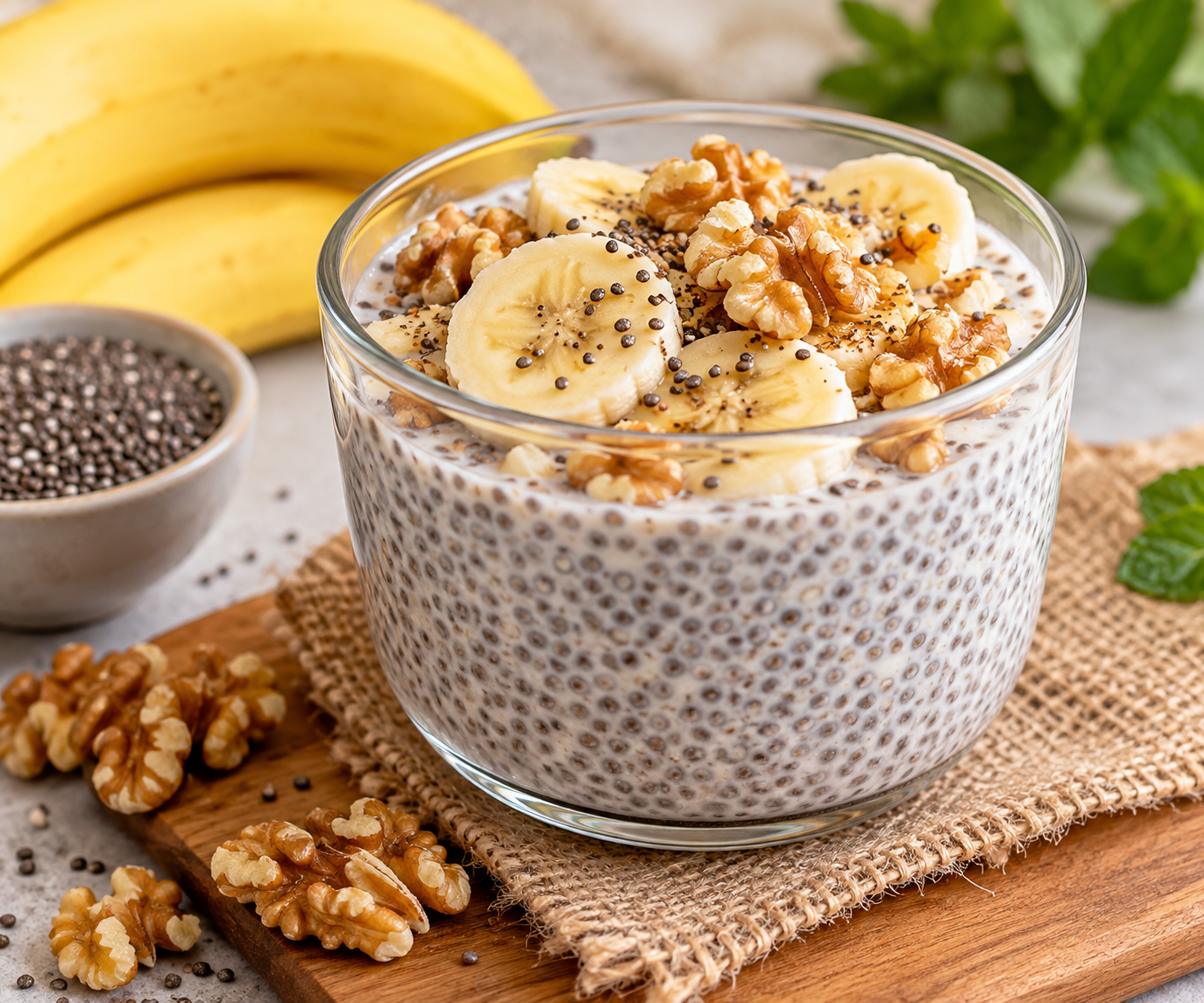
Banana
Orange
Papaya
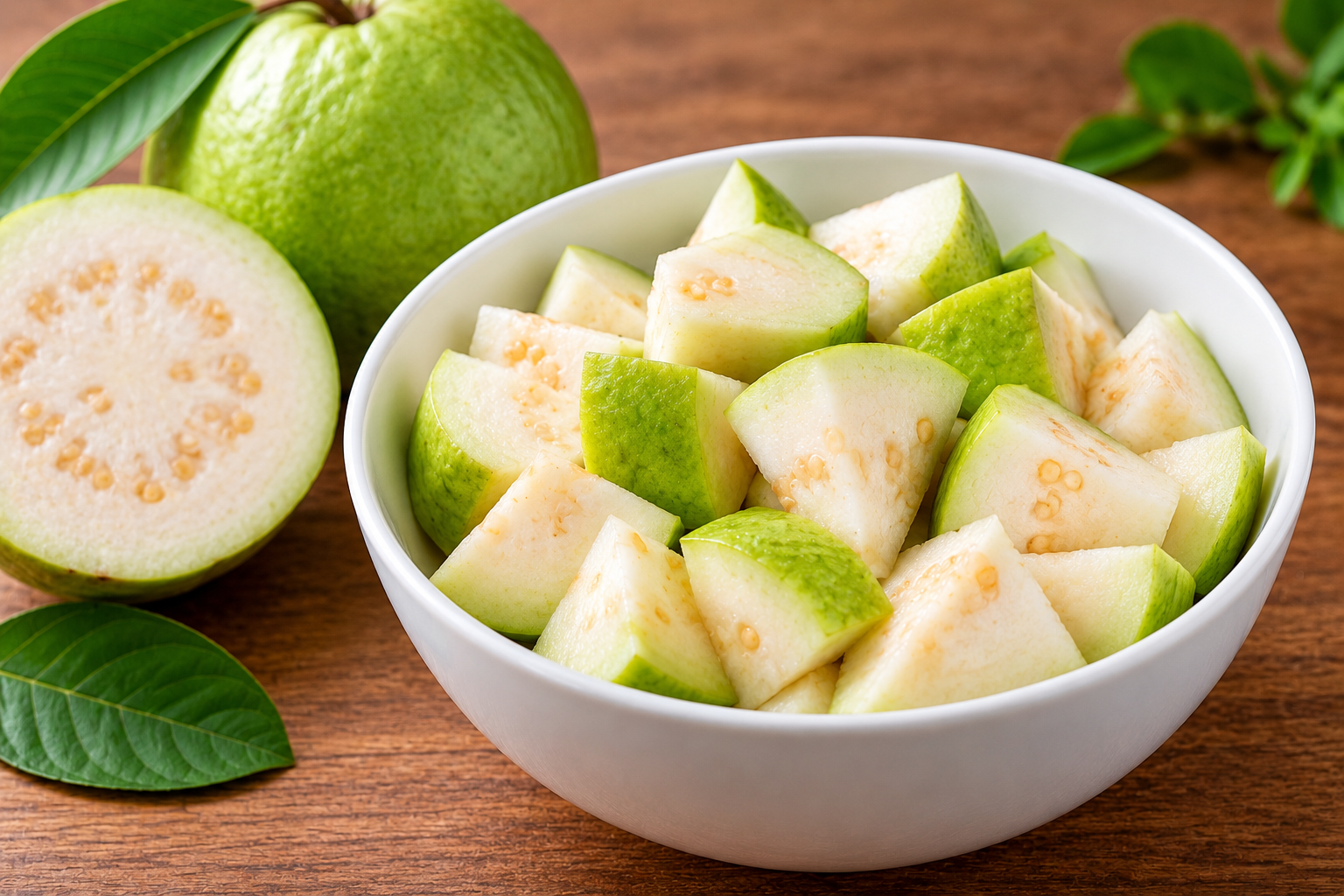
Guava
Muskmelon
Watermelon
Avocado
Pomegranate
Kiwi
Dried apricots
Raisins
Dates
Prunes
Bananas are commonly associated with potassium, but they are not the only useful source. Oranges, papaya, dried fruits and other fruits can also contribute to potassium intake.
Whole fruits are generally preferable to relying heavily on fruit juices because they provide dietary fiber.
4.2 Vegetables Rich in Potassium
Vegetables are important components of a potassium-rich dietary pattern.
Useful options include:
Spinach
Potato
Sweet potato
Tomato
Beetroot
Pumpkin
Broccoli
Mushroom
Carrot
Green peas
Amaranth leaves
Drumstick leaves
Bottle gourd
Beans
Potatoes and sweet potatoes can contribute substantial amounts of potassium, depending on their size and preparation.
Green leafy vegetables such as spinach and amaranth leaves also provide folate, iron, magnesium and other micronutrients.
4.3 Pulses and Legumes
Pulses and legumes are especially useful in Indian diets because they provide potassium along with protein, fibre and other minerals.
Examples include:
Moong dal
Masoor dal
Toor dal
Chana dal
Chickpeas
Kidney beans (rajma)
Black gram (urad dal)
Cowpeas (lobia)
Soybeans
Green gram
Regularly including dal, beans and chickpeas in meals can improve overall dietary quality and contribute to potassium intake.
4.4 Nuts and Seeds
Nuts and seeds provide potassium along with healthy fats, protein, fiber and other minerals.
Examples include:
Almonds
Pistachios
Peanuts
Cashews
Pumpkin seeds
Sunflower seeds
Sesame seeds
Flaxseeds
Although nutritious, nuts and seeds are energy-dense foods. Portion sizes should be considered according to individual calorie requirements.
4.5 Dairy Products
Milk and dairy products can contribute potassium to the diet.
Useful options include:
Milk
Plain curd
Yogurt
Buttermilk
Some varieties of cheese
Dairy products also provide protein and calcium.
Individuals with kidney disease may need to consider the potassium and phosphorus content of dairy products according to their prescribed dietary plan.
4.6 Animal-Based Sources
Potassium is also found in several animal-based foods, including:
Fish
Chicken
Eggs
Meat
Seafood
These foods may contribute potassium while also providing protein and other essential nutrients.
4.7 Is Coconut Water a Good Source of Potassium?
Coconut water contains potassium and other electrolytes, making it a popular beverage in hot weather.
Its potassium content varies depending on the maturity of the coconut, variety and serving size.
However, coconut water should not automatically be considered necessary for hydration or electrolyte replacement. Ordinary water is sufficient for routine hydration for most healthy individuals.
People with kidney disease or high blood potassium levels should be cautious with coconut water because it can contribute a significant amount of potassium.
5. Potassium Deficiency (Hypokalemia)
Potassium deficiency in the blood is medically known as hypokalemia.
Hypokalemia occurs when the blood potassium concentration falls below the normal range. A commonly used reference range is approximately 3.5-5.0 mmol/L, although laboratory ranges may differ.
Potassium deficiency can be mild, moderate or severe.
Mild hypokalemia may not produce noticeable symptoms. More significant deficiency can affect the muscles, digestive system, kidneys and heart.
Symptoms of Potassium Deficiency
Common symptoms include:
1. Muscle Weakness
Low potassium can interfere with normal muscle activity and may cause weakness in the arms, legs and other muscle groups.
2. Muscle Cramps
Inadequate potassium can affect normal muscle contraction and relaxation, potentially contributing to cramps.
3. Fatigue and Tiredness
People with low potassium may experience tiredness, reduced energy and difficulty performing normal physical activities.
4. Constipation
Potassium helps support normal muscle activity, including the muscles of the digestive tract. Significant deficiency may slow intestinal movement and contribute to constipation.
5. Nausea and Digestive Discomfort
Some individuals may experience nausea, abdominal discomfort or reduced appetite.
6. Tingling or Numbness
Changes in nerve and muscle function may sometimes cause unusual sensations such as tingling.
7. Irregular Heartbeat
Potassium is essential for normal electrical activity in the heart. Low levels may cause palpitations or abnormal heart rhythms.
8. Severe Muscle Problems
Severe hypokalemia may cause marked muscle weakness, paralysis and, in some cases, breathing difficulties.
Severe potassium deficiency can be a medical emergency.
6. Causes of Potassium Deficiency
Low potassium levels may develop due to increased potassium loss, certain medications, medical conditions or shifts of potassium from the blood into cells.
6.1 Prolonged Vomiting
Repeated vomiting can cause the body to lose potassium and other electrolytes.
People experiencing prolonged vomiting may become dehydrated and develop disturbances in their electrolyte balance.
6.2 Persistent Diarrhea
Diarrhea can cause potassium loss through the digestive tract.
Severe or prolonged diarrhea may result in dehydration and hypokalemia, particularly when adequate fluid and electrolyte replacement is not provided.
6.3 Certain Medications
Some medications can increase potassium loss through urine.
Examples include:
Loop diuretics.
Thiazide diuretics.
Certain laxatives when used excessively.
Some medications used in specific medical conditions.
People taking these medications should not independently start potassium supplements. Their healthcare professional may recommend blood tests or dietary changes when necessary.
6.4 Inadequate Dietary Intake
A diet consistently low in potassium-rich foods may contribute to inadequate potassium intake.
However, clinically significant hypokalemia is not usually caused by low dietary intake alone. Other factors, such as gastrointestinal losses or medication effects, are often involved.
6.5 Excessive Sweating
Prolonged physical activity in hot weather can lead to fluid and electrolyte losses.
Sweat contains sodium and smaller amounts of potassium. Heavy sweating may contribute to electrolyte disturbances, especially when combined with inadequate fluid intake or other potassium losses.
6.6 Hormonal and Kidney-Related Conditions
Certain hormonal conditions can increase potassium loss through the kidneys.
Some kidney disorders may also affect potassium regulation.
A healthcare professional may investigate these conditions when potassium levels remain low without an obvious explanation.
7. Hyperkalemia: When Potassium Levels Become Too High
Hyperkalemia is the medical term for an abnormally high level of potassium in the blood.
While potassium is essential for health, excessive potassium in the bloodstream can interfere with the electrical activity of the heart.
A blood potassium concentration above approximately 5.0 mmol/L is often considered elevated, but the exact threshold depends on the laboratory and clinical setting.
Some people with hyperkalemia have no obvious symptoms. Others may experience weakness, nausea, tingling or palpitations.
Severe hyperkalemia can cause life-threatening cardiac arrhythmias.
Causes of High Potassium
1. Chronic Kidney Disease
Healthy kidneys remove excess potassium through urine. When kidney function declines, potassium may accumulate in the blood.
2. Acute Kidney Injury
Sudden kidney damage can reduce potassium removal and cause blood potassium levels to rise.
3. Certain Medications
Some medicines can increase the risk of hyperkalemia, including:
ACE inhibitors.
Angiotensin receptor blockers (ARBs).
Potassium-sparing diuretics.
Certain other medicines that affect kidney function or potassium regulation.
4. Potassium Supplements
Taking potassium supplements without medical supervision may increase blood potassium levels, particularly in people with impaired kidney function.
5. Potassium-Based Salt Substitutes
Some salt substitutes replace sodium chloride with potassium chloride.
Although these products may help reduce sodium intake in certain populations, they may be unsafe for people at risk of hyperkalemia.
6. Certain Medical Conditions
Some hormonal disorders, tissue damage and metabolic disturbances can affect potassium balance.
Symptoms of Hyperkalemia
Possible symptoms include:
Muscle weakness.
Nausea.
Tingling sensations.
Palpitations.
Abnormal heartbeat.
Severe weakness or collapse in serious cases.
Hyperkalemia can sometimes be present without symptoms. Blood testing and, when indicated, an electrocardiogram are important for assessment.
8. How Is Potassium Deficiency Diagnosed?
Potassium deficiency cannot be reliably diagnosed from symptoms alone because many conditions can cause fatigue, muscle cramps and weakness.
A healthcare professional may recommend a blood test to measure serum potassium.
Depending on the clinical situation, additional investigations may include:
Kidney function tests.
Blood sodium and other electrolyte measurements.
Blood glucose.
Magnesium levels.
Electrocardiogram (ECG).
Urine potassium testing.
These investigations help identify the severity of the potassium disturbance and determine its possible cause.
A person with suspected severe potassium deficiency or high potassium should not attempt to correct the problem through food or supplements without medical advice.
9. How to Improve Potassium Intake Through Diet
For generally healthy individuals, a balanced diet is usually the best way to obtain potassium.
Practical dietary strategies include:
9.1 Include Fruits Every Day
Include a variety of fruits such as bananas, oranges, papaya, guava and muskmelon.
Choose whole fruits more often than fruit juices to obtain dietary fiber.
9.2 Add Green Leafy Vegetables
Include spinach, amaranth leaves, drumstick leaves and other seasonal vegetables in regular meals.
Vegetables can be prepared as sabzi, dal combinations, soups or other home-cooked dishes.
9.3 Consume Pulses Regularly
Include moong dal, masoor dal, chickpeas, rajma and other legumes.
These foods provide potassium as well as plant protein and dietary fiber.
9.4 Choose Minimally Processed Foods
Fresh fruits, vegetables, pulses and whole foods generally contribute more potassium than many highly processed dietary patterns.
A diet containing fewer highly processed foods may also help reduce excessive sodium intake.
9.5 Use Appropriate Cooking Methods
Potassium is water-soluble. Boiling vegetables in large quantities of water and discarding the cooking water can reduce their potassium content.
When appropriate, steaming or cooking vegetables in a way that retains the cooking liquid may help preserve more potassium.
However, people who need to restrict potassium for medical reasons may be advised to use specific preparation methods to reduce the potassium content of foods.
10. Sample Indian Meal Pattern for Potassium Intake
The following is a general example of how potassium-containing foods can be included in an Indian meal pattern.
| Meal | Example food choices |
|---|---|
| Early morning | Water |
| Breakfast | Vegetable poha with curd |
| Mid-morning | Papaya, orange or banana |
| Lunch | Rice or roti, dal, spinach sabzi and curd |
| Evening snack | Roasted chana or a small portion of nuts |
| Dinner | Roti, mixed vegetable curry and dal |
This meal pattern is illustrative and does not guarantee a particular potassium intake. Actual potassium content depends on food quantities, ingredients and preparation methods.
People with kidney disease, hyperkalemia or other conditions requiring potassium restriction should not follow this pattern without individual dietary assessment.
11. Who Should Monitor Potassium Intake?
Although potassium-rich foods are beneficial for many healthy individuals, certain people may need to monitor their intake carefully.
These include:
People with chronic kidney disease.
Individuals undergoing dialysis.
People with a history of hyperkalemia.
Individuals with acute kidney injury.
People taking potassium-sparing diuretics.
People taking ACE inhibitors or ARBs.
Individuals with medical conditions affecting potassium regulation.
These individuals may need blood tests and personalized dietary advice.
It is important to understand that not every person with kidney disease needs to avoid all potassium-containing foods. Dietary restrictions depend on kidney function, blood potassium levels, medication use and the advice of the treating healthcare professional.
12. Should You Take Potassium Supplements?
Most healthy individuals can obtain sufficient potassium through a balanced diet.
Potassium supplements may be prescribed when a deficiency is confirmed or when a specific medical condition requires treatment.
However, supplementation should never be started casually.
Excess potassium can cause hyperkalemia, which may affect the heart and become life-threatening.
Potassium supplements are not a general solution for fatigue, muscle cramps or weakness. These symptoms can have many different causes.
Before using potassium supplements, a healthcare professional may consider:
Blood potassium levels.
Kidney function.
Current medications.
Medical history.
The underlying cause of potassium loss.
Never use high-dose potassium supplements or potassium-based salt substitutes without medical guidance if you have kidney disease or take medicines that affect potassium levels.
13. Potassium and Sodium: Understanding the Relationship
Potassium and sodium are two important electrolytes that work together to maintain fluid balance and normal electrical activity.
Sodium is mainly present outside cells, while potassium is mainly present inside cells.
The balance between these electrolytes is important for:
Maintaining blood volume.
Supporting normal nerve function.
Regulating muscle contractions.
Maintaining blood pressure.
Supporting normal heart activity.
A dietary pattern high in sodium and low in potassium may be unfavorable for cardiovascular health.
To support a healthier dietary pattern:
Reduce excessive salt intake.
Limit highly salted packaged foods.
Eat more fresh fruits and vegetables.
Include pulses and legumes.
Choose minimally processed foods.
Avoid unnecessary use of potassium-based salt substitutes without medical advice.
A healthy diet should focus on an appropriate balance of nutrients rather than simply increasing one mineral.
14. Common Myths About Potassium
Myth 1: Bananas Are the Only Good Source of Potassium
Fact: Bananas contain potassium, but potatoes, sweet potatoes, pulses, spinach, tomatoes, dairy products and several other foods also provide potassium.
Myth 2: Everyone Should Take Potassium Supplements
Fact: Most healthy individuals can obtain potassium from food. Supplements are required only in specific situations and should be used under professional guidance.
Myth 3: Muscle Cramps Always Mean Potassium Deficiency
Fact: Muscle cramps may occur due to exercise, dehydration, medication effects and several other causes. Potassium deficiency is only one possible explanation.
Myth 4: Coconut Water Is Necessary for Daily Hydration
Fact: Coconut water contains potassium, but ordinary water is generally sufficient for routine hydration in healthy individuals.
Myth 5: More Potassium Is Always Better
Fact: Excessively high potassium levels can be dangerous, particularly for people with kidney disease or those taking certain medications.
Myth 6: People With Kidney Disease Must Avoid Every Potassium-Rich Food
Fact: Potassium restrictions depend on individual kidney function and blood potassium levels. A healthcare professional or renal dietitian should guide food choices.
15. Conclusion
Potassium is an essential mineral and electrolyte that supports several important functions in the human body. It plays a key role in maintaining fluid balance, supporting nerve communication, regulating muscle contractions and maintaining normal heart rhythm.
Adequate potassium intake may also help support healthy blood pressure, particularly when combined with a balanced diet that does not contain excessive sodium.
Bananas, oranges, papaya, potatoes, sweet potatoes, spinach, pulses, beans, nuts, seeds and dairy products are useful dietary sources of potassium. Including a variety of these foods in everyday meals can help improve overall nutritional quality.
However, potassium balance is particularly important for people with kidney disorders or those taking medications that affect potassium levels. Both deficiency and excess can cause serious complications.
A balanced diet, appropriate medical assessment and individualized dietary advice are essential for maintaining healthy potassium levels.
Frequently Asked Questions (FAQs)
1. What is the main function of potassium?
Potassium helps maintain fluid balance, supports nerve impulse transmission, regulates muscle contractions and maintains normal heart rhythm.
2. Which fruit is highest in potassium?
Several fruits provide potassium, including dried apricots, bananas, avocados, oranges and papaya. The amount depends on the serving size and food variety.
3. Does potassium help control blood pressure?
Adequate potassium intake may help support healthy blood pressure by balancing some of the effects of sodium and supporting normal blood vessel function.
4. What are the symptoms of potassium deficiency?
Symptoms may include muscle weakness, cramps, fatigue, constipation, nausea and irregular heartbeat. Severe deficiency can cause paralysis and dangerous heart rhythm disturbances.
5. Is coconut water rich in potassium?
Yes. Coconut water contains potassium, but its amount varies according to the coconut and serving size. People with kidney disease may need to limit it.
6. Can low potassium cause muscle cramps?
Yes. Low potassium can contribute to muscle cramps and weakness, although cramps can also occur due to dehydration, exercise and other medical conditions.
7. Can people with kidney disease eat bananas?
Some people with kidney disease need to restrict potassium. Whether bananas are suitable depends on kidney function, blood potassium levels and the individual's dietary prescription.
8. Can potassium supplements be taken daily?
Potassium supplements should only be taken when recommended by a healthcare professional. Unsupervised use can cause dangerously high potassium levels.
9. What is the normal blood potassium level?
A commonly used reference range is approximately 3.5â5.0 mmol/L. The exact range may vary between laboratories.
10. Does potassium help with muscle recovery after exercise?
Potassium supports normal muscle and nerve function. However, muscle recovery also depends on adequate energy, protein, hydration, sleep and overall nutrition.
11. Are potatoes a good source of potassium?
Yes. Potatoes and sweet potatoes are useful dietary sources of potassium. Their potassium content depends on the variety, serving size and cooking method.
12. Can high potassium be dangerous?
Yes. Hyperkalemia can interfere with the electrical activity of the heart and may cause life-threatening arrhythmias. It requires appropriate medical assessment and treatment.
References
ICMR-NIN Expert Group. Nutrient Requirements and Recommended Dietary Allowances for Indians. Indian Council of Medical Research - National Institute of Nutrition, 2020.
World Health Organization. Guideline: Potassium Intake for Adults and Children.
National Institutes of Health, Office of Dietary Supplements. Potassium: Fact Sheet for Health Professionals.
National Institutes of Health, Office of Dietary Supplements. Potassium: Fact Sheet for Consumers.
World Health Organization. Increasing Potassium Intake to Reduce Blood Pressure and Risk of Cardiovascular Diseases in Adults.
Medical Disclaimer: This article is intended for general educational purposes and should not replace individual medical advice, diagnosis or treatment. People with kidney disease, abnormal blood potassium levels or medications that affect potassium balance should consult a qualified healthcare professional before changing their dietary potassium intake or using supplements.









💬 Comments (0)
Be respectful. Website links and phone numbers are not allowed.