
Micro-nutrients comprises of minerals and vitamins, which is required by the body in relatively small quantities but crucial for normal physiological function of the body. They support enzyme activity, energy metabolism, blood formation, bone development, antioxidant defense, immunity and neurological function. Unlike carbohydrate, proteins and fats micro-nutrients do not provide energy directly, rather they enable the body to use energy and maintain its tissues efficiently. When there is a limited intake or absorption of these micro-nutrients or incurred losses, micronutrient inadequacy or deficiency may develop (Kiani et al., 2022).
The term “hidden hunger” describes a situation in which an individual consumes enough food to meet energy needs but still lack one or more essential vitamins or minerals. It is particularly worrisome, where diets depend heavily on a small range of staple crops, legumes, limited fruits, vegetables, and animal-source foods. In a collective analysis of population-representative surveys, (Stevens et al., 2022) estimated that 56% of preschool-aged children and 69% of non-pregnant women of reproductive age were discovered with at least one deficiency among the selected micro-nutrients assessed. The authors also noted limitations arising from the paucity of nationally representative biomarker data.
A separate modelling analysis estimated inadequate dietary intake of 15 micro-nutrients across 185 countries. Passarelli et al. (2024) reported the widespread inadequacy of iodine, vitamin E, calcium, iron, riboflavin, folate and vitamin C. These estimates describe dietary insufficiency rather than laboratory-confirmed clinical deficiency, an important distinction when interpreting population data. A similar report emphasized the need to assess micronutrient status carefully and to distinguish inadequate intake from biochemical or clinical deficiency (Allen, 2025). This paper observes selected vitamins and mineral deficiencies, their causes, health effects and prevention, as they relate to low-and middle-income settings.
Iron, iodine, zinc, folate and vitamin A deficiencies are categorized as “Generalized Global Micro-nutrient Deficiencies”. There effects have an undeviating impact on various functions of the body resulting to health problems, such as the decrease in the ability to study, which can lead to a decrease in the individual’s productivity, making it challenging to work, among other factors that can contribute to cyclic effects of food insecurity (Morais et al., 2020)
2. Major Vitamin Deficiencies and their Health Implications
2.1. Vitamin A Deficiency
Vitamin A is required for normal vision, epithelial tissue integrity, growth, reproduction and immune function. Dietary sources of vitamin A include liver, eggs and dairy products, while pro-vitamin A carotenoids are present in orange, yellow fruits and vegetables, it is also present in yellow maize and dark-green leafy vegetables. Insufficient intake, poor absorption of fat, and presence of infections that increase nutrient requirements can also contribute to deficiency. It can also result to xerophthalmia, and if untreated can result to permanent visual impairment. Vitamin A deficiency is also very possible of compromising the immune function while increase vulnerability to infection. Prevention of these deficiencies includes regular consumption of vitamin A-rich foods, food fortification where appropriate and supplementation programs for eligible groups under public-health guidance (Allen, 2025; World Health Organization 2025).
2.2. Vitamin D Deficiency
Vitamin D contributes to calcium and the absorption of phosphorus as well as normal bone mineralization. The body synthesizes vitamin D in the skin following exposure to ultraviolet-B radiation, dietary sources of vitamin D includes oily fish, egg yolk and fortified foods.
Deficiencies associated with vitamin D may increase with limited sun exposure, low dietary intake, mal-absorption and certain chronic conditions. In children, severe deficiency can cause rickets, while adults may develop osteomalacia and muscle weakness. This deficiency and the health implications can be averted by adequate intake of vitamin D, safe sunlight absorption practices and supplementation for groups for whom it is recommended are important preventive measures (Allen, 2025).
2.3. Folate and Vitamin B12 Deficiencies
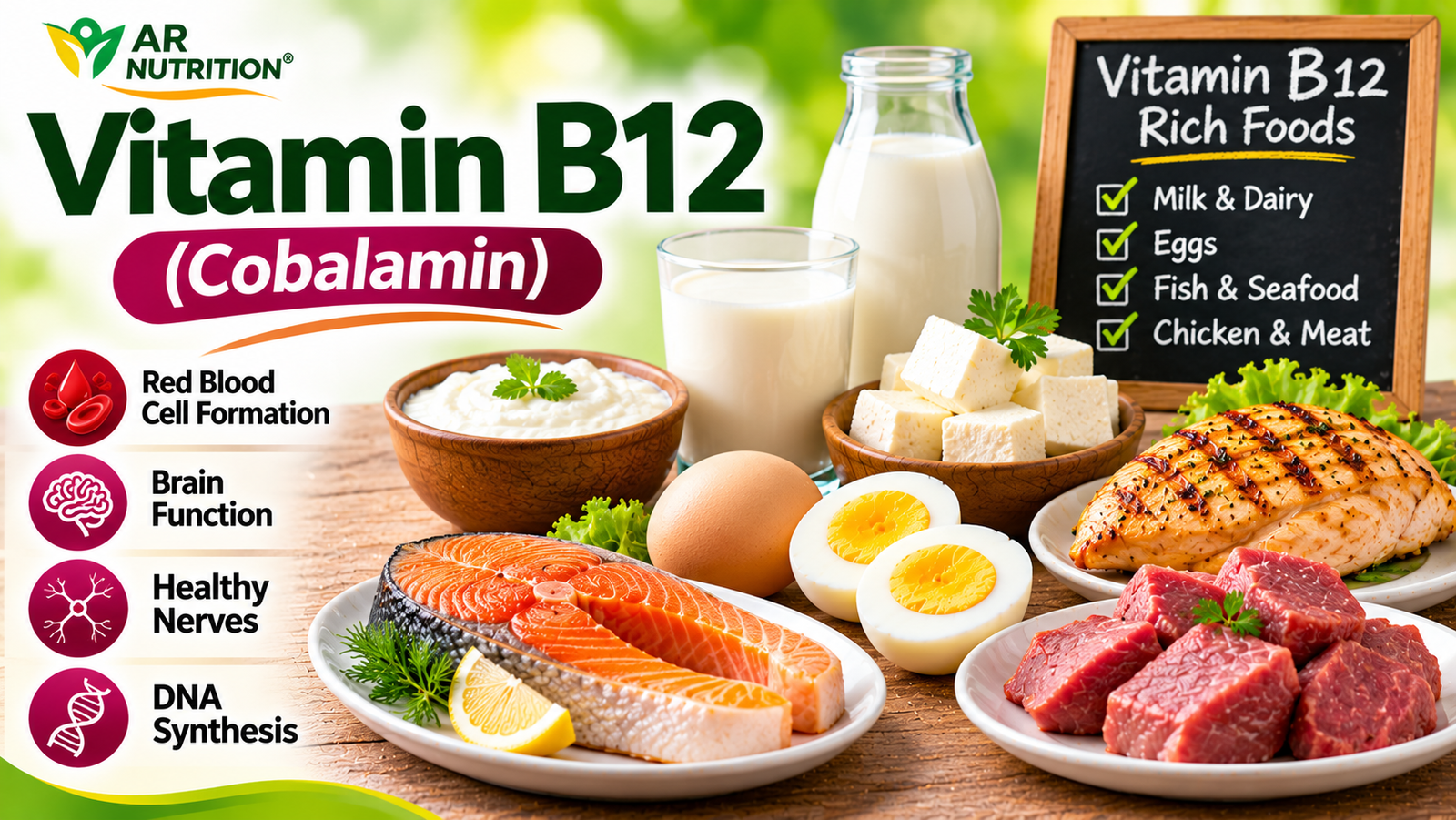
Folate (vitamin B9) and vitamin B12 are required for DNA synthesis and normal red blood cell formation. Folate is found in legumes, green leafy vegetables and fortified grain products, vitamin B12 occurs naturally in animal-source foods and fortified products majorly. Deficiency of either vitamin can cause megaloblastic anaemia. Inadequate intake of folate intake within the period of conception and during early pregnancy increases the risk of neural tube defects. Vitamin B12 deficiency may also cause neurological disturbances, which can become persistent if not diagnosed and treated promptly. People with restricted diets, malabsorption or increased diet requirements may be at high risk. Dietary planning, food fortification and clinically appropriate supplementation can help prevent deficiency (Allen, 2025).
2.4. Vitamin C Deficiency
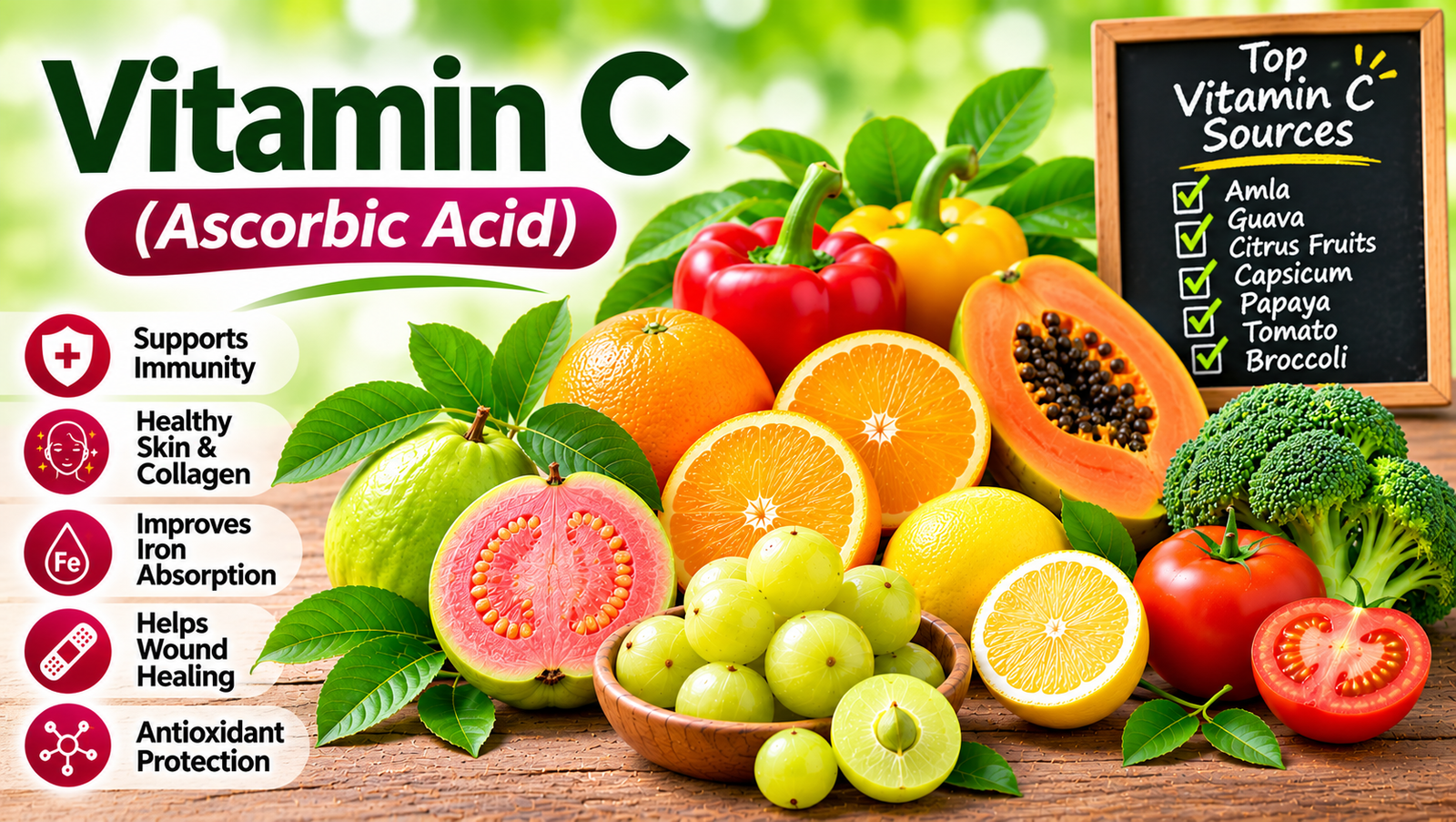
Vitamin C supports collagen formation, wound healing, antioxidant protection and absorption of non-haem iron from plant foods. Sources of vitamin C include citrus fruits, guava, berries, tomatoes and peppers. Prolonged cases of severe inadequacy results to scurvy accompanied with fatigue, swollen or bleeding gums, bruising, joint pain and poor wound healing. Systematic consumption of fresh fruits and vegetables is an effective food-based preventive approach to vitamin C deficiencies. Because vitamin C is sensitive to heat, oxygen and prolonged storage, careful handling and cooking practices can help retain it.
2.5. Vitamin E and K
Vitamin E acts as a lipid-soluble antioxidant that shields cell membranes from oxidative damage. It can be found in vegetable oils, nuts and seeds. Clinically significant deficiency is not common in people that are healthy but may happen with individuals with disorders that impair fat absorption, neurological and muscular abnormalities can occur. Vitamin K is needed for the synthesis of proteins involved in blood clotting and bone metabolism. Deficiency can lead to abnormal bleeding, and newborns are particularly at risk. Prevention and treatment of this deficiency should follow established clinical and public-health recommendations (Allen, 2025).
3. Major Mineral Deficiencies and their Health Implications
3.1. Iron Deficiency
Iron is required for hemoglobin and myoglobin formation, transport of oxygen and several metabolic processes. Sources of iron include meat, fish, poultry, legumes and iron-fortified cereals. Iron sourced from animal tissue is generally more bio-available than non-hem iron from plant foods. Phytate-rich diets and some polyphenols can reduce absorption of non-hem iron, whereas vitamin C consumed in the same meal can enhance it. Iron deficiency may progress to iron-deficiency anemia causing fatigue, pallor, reduced work capacity and impaired concentration. During childhood, inadequate iron status can adversely affect cognitive and motor development. Causes of this deficiency include low intake, blood loss, parasitic infection, mal-absorption and increased requirements during growth and pregnancy (Allen, 2025; Stevens et al., 2022).
3.2. Iodine Deficiency
Iodine is required for the synthesis of thyroid hormones which regulate growth, metabolism and brain development. Iodized salt is a generalized major source of iodine, while seafood and some dairy products can contribute to the levels of iodine. Deficiency may cause thyroid enlargement (goiter) and hypothyroidism. In pregnancy and early life, severe iodine deficiency can disrupt fetal and infant neurological development. Universal salt iodization implemented with appropriate quality monitoring, is a major prevention strategy. Iodine intake must be adequate but not excessive, or it might disrupt the thyroid function (Allen, 2025; Passarelli et al., 2024).
3.3. Zinc Deficiency
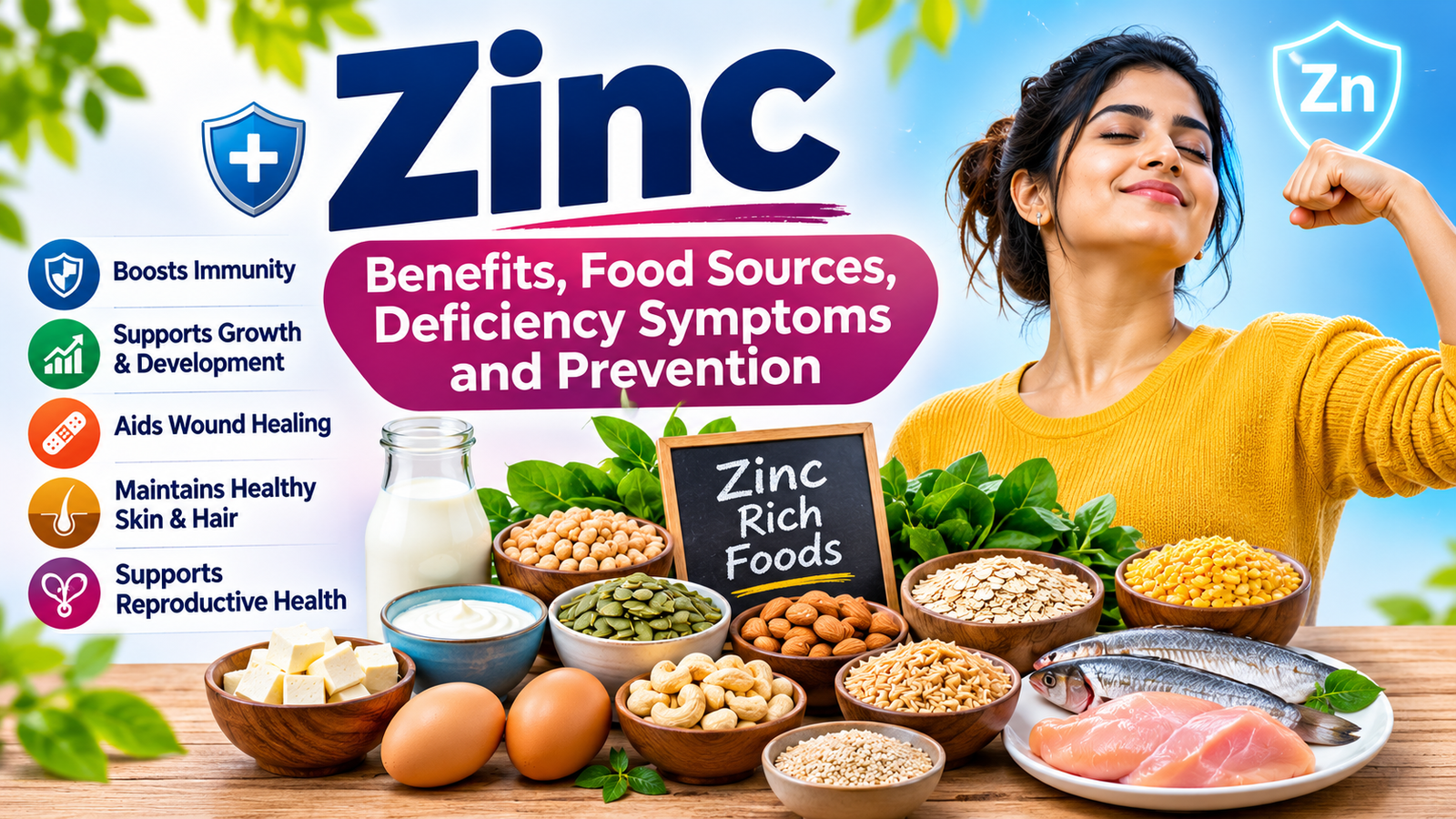
Zinc is involved in immune body function, cell division, protein synthesis, growth and wound healing. Sources of zinc include meat, seafood, eggs, legumes, nuts and whole grains. Zinc deficiency can contribute to poor growth, reduced appetite, impaired wound healing and altered immune body function. Diets dominated by untreated cereals and legumes may contain substantial phytate, which binds zinc and reduces its absorption. Soaking, germination and fermentation can reduce phytate to acceptable levels in some foods and may improve mineral bio-availability, although the effect depends on the food matrix and processing conditions (Allen, 2025).
3.4. Calcium Deficiency
Calcium is needed for the formation and maintenance of bones and teeth, muscle contraction, nerve transmission and blood clotting. Milk and dairy products, small fish eaten with bones, calcium-set tofu and selected green vegetables are dietary sources of calcium. Persistent low calcium intake can compromise bone mineral accrual, especially during childhood and adolescence. Vitamin D status is also imperative as it supports intestinal calcium absorption. Prevention of calcium deficiency involves adequate consumption of calcium-rich foods and attention to vitamin D status rather than relying on single nutrient in isolation (Allen, 2025; Passarelli et al., 2024).
3.5. Magnesium and Selenium
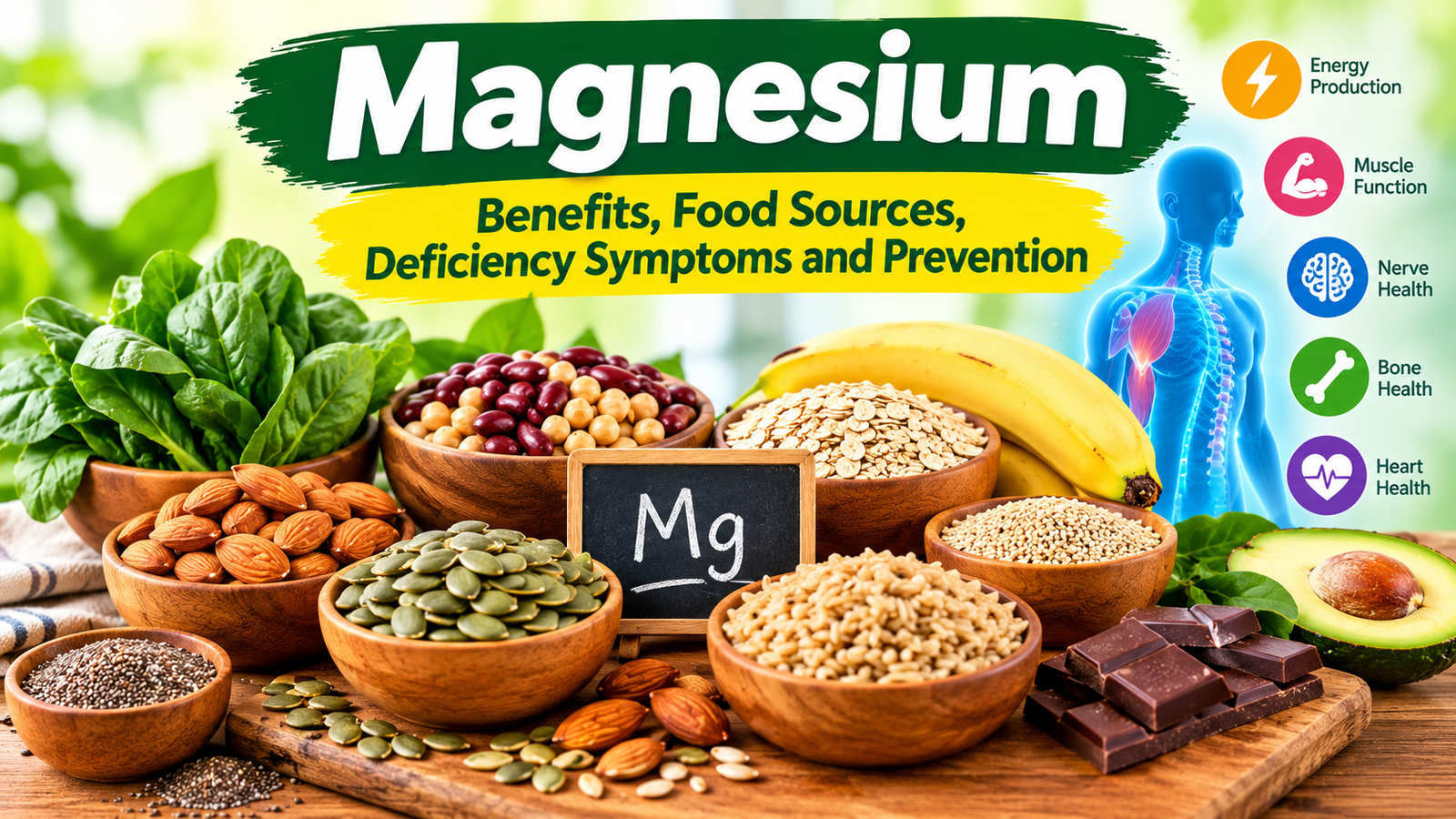
Magnesium participates in numerous enzymatic reactions, energy metabolism, neuromuscular function and protein synthesis. It is found in legumes, nuts, seeds, whole grains and green leafy vegetables. Deficiency may occur as result of prolonged gastrointestinal losses, some medications, alcohol dependence or certain medical conditions, severe deficiency can cause weakness, cramps, seizures or cardiac rhythm disturbances. Selenium contributes to antioxidant enzyme activity and thyroid hormone metabolism. Sources include fish, meat, eggs and cereals, but the selenium content of plant foods varies with soil composition. Deficiency of magnesium is elusive in many settings but can occur where soil selenium is very low or intake is restricted (Allen, 2025).
4. Factors Contributing to Micro-nutrient Deficiencies
Micro-nutrient deficiencies are rarely caused by one factor alone. So many reasons could be responsible for these deficiencies some of them are; low household income and food insecurity can limit access to diverse diets. Monotonous diets based mainly on refined or unfortified staples may provide energy but insufficient micro-nutrients. Presence of infection and inflammation can reduce appetite, impair absorption, increase nutrient losses or alter the interpretation of some bio-markers. Gastrointestinal disorders and certain medicine can also interfere with absorption or metabolism. Requirements rise during periods of rapid growth, pregnancy and lactation. In addition, food composition and processing influence nutrient retention and bio-availability. A report demonstrated that estimated inadequacies differ by nutrient, sex, and country, supporting the need for context-specific interventions rather than assuming that one strategy will address all nutrient gaps (Passarelli et al., 2024).
Anti-nutritional factors such as phytate can reduce absorption of iron and zinc, particularly in cereal and legume-based diets. Processing methods including soaking, germination and fermentation can reduce some anti-nutritional compounds. However, processing effects vary with raw materials, time, temperature, pH and microbial activity; therefore, the nutritional benefits should be measured rather than assumed. Heat-sensitive vitamins may be lost during prolonged cooking or storage, while minerals are not destroyed by heat but may be lost when cooking water is discarded.
5. Prevention and Control
5.1. Dietary Diversification
Dietary diversification encourages consumption of a range of nutrient-dense foods, including vegetables, fruits, legumes, whole grains, nuts, seeds, eggs, fish and other animal-source foods where available and culturally acceptable. Combining plant foods with vitamin C-rich fruits or vegetables can improve non-hem iron absorption. Food-based approaches are sustainable when nutritious foods are accessible, affordable and acceptable.
5.2. Food Fortification
Food fortification is the addition of selected micro-nutrients to commonly consumed foods. Examples include iodization of salt and the addition of iron, folic acid or other nutrients to flour and cereal products. Fortification can reach large populations through existing food distribution system, but its effectiveness depends on appropriate nutrient forms and levels, quality assurance, monitoring of consumption and avoidance of excessive intake (Coomson et al., 2025).
5.3. Supplementation and Targeted Health Services
Supplementation can be important for individuals or population groups with increased requirements or documented risk of deficiency. Examples include iron and folic acid interventions during pregnancy and vitamin A programs should follow national and WHO guidance, considering possible contraindications and avoid unsupervised high-dose usage. Screening and treatment should be guided by clinical assessment and appropriate laboratory tests where indicated (Allen, 2025; World Health Organization, 2025).
5.4. Bio-fortification
Bio-fortification involves breeding or genetically improving staple crops to contain higher levels of micro-nutrients. Examples include pro-vitamin A bio-fortified maize, iron-bio-fortified beans, and zinc-bio-fortified wheat or rice (Naik et al., 2024).
Bio-fortification is particularly promising in rural and low income settings where fortified processed foods may be inaccessible. It can improve micronutrient intake through foods that households already consume regularly.
A systematic review found that food products made from iron,zinc and pro-vitamin A bio-fortified crops were generally acceptable to consumers, although evidence for mineral-bio-fortified crops remains more limited than evidence for pro-vitamin A crops (Huey et al., 2024). This suggests that sensory acceptability and local food preferences should be considered when scaling bio-fortification programs
5.5. Food Processing and Nutrition Education
Food processing can improve the nutritional quality of traditional foods when methods are selected and controlled carefully. Germination and fermentation of cereals and legumes may reduce phytate and improve the potential bioavailability of some minerals. Appropriate drying, storage and cooking can reduce nutrient losses and prevent microbial contamination. Nutrition education should explain practical ways to combine locally available foods, prepare them safely and preserve nutrient quality. Food science research can support development of affordable fortified or composite foods, but product claims should be supported by compositional, bio-availability, safety and acceptability data.
6. Conclusion
Vitamins and minerals deficiencies remain important nutritional and public-health concerns because micro-nutrients support essential processes throughout the life course. Deficiencies of vitamin A, D, folate, B12 and C, and minerals such as iron, iodine, zinc and calcium, can affect vision, blood formation, immunity, bone health and neurological development. Recent global analyses show that both biochemical deficiencies and inadequate dietary intakes remain widespread, although these are distinct measures and should not be treated as interchangeable (Allen, 2025; Passarelli et al., 2024; Stevens et al., 2022). Prevention requires a combination of dietary diversification, appropriately designed fortification, targeted supplementation, infection control, nutrition education and improved food processing. Governments, researchers, food industries and health professionals should work together to improve access to safe, affordable and nutrient-rich foods. Further representative surveys and well designed studies are also needed to identify local nutrient gaps and evaluate the effectiveness of prevention programmes.
References
Allen, L. H. (2025). Micronutrients-Assessment, requirements, deficiencies, and interventions. The New England Journal of Medicine, 392(10), 1006–1016. https://doi.org/10.1056/NEJMra2314150
Coomson, J. B., Smith, N. W., & McNabb, W. (2025). Impacts of food fortification on micronutrient intake and nutritional status of women of reproductive age in Africa-A narrative review. Advances in Nutrition, 16(7), 100463. https://doi.org/10.1016/j.advnut.2025.100463
Huey, S. L., Bhargava, A., Friesen, V. M., Konieczynski, E. M., Krisher, J. T., Mbuya, M. N. N., Mehta, N. H., Monterrosa, E., Nyangaresi, A. M., & Mehta, S. (2024). Sensory acceptability of biofortified foods and food products: A systematic review. Nutrition Reviews, 82(7), 892–912. https://doi.org/10.1093/nutrit/nuad100
Kiani, A. K., Dhuli, K., Donato, K., Aquilanti, B., Velluti, V., Matera, G., Iaconelli, A., Connelly, S. T., Bellinato, F., Gisondi, P., & Bertelli, M. (2022). Main nutritional deficiencies. Journal of Preventive Medicine and Hygiene, 63(Suppl. 3), E93-E101. https://doi.org/10.15167/2421-4248/jpmh2022.63.2S3.2752
Morais, D. C., Lopes, S. O., & Priore, S. E. (2020). Evaluation indicators of food and nutritional insecurity and associated factors: Systematic review. Ciência & Saúde Coletiva, 25(7), 2687-2700. https://doi.org/10.1590/1413-81232020257.23672018
Naik, B., Kumar, V., Rizwanuddin, S., Mishra, S., Kumar, V., Saris, P. E. J., Khanduri, N., Kumar, A., Pandey, P., Gupta, A. K., Khan, J. M., & Rustagi, S. (2024). Biofortification as a solution for addressing nutrient deficiencies and malnutrition. Heliyon, 10(9), e30595. https://doi.org/10.1016/j.heliyon.2024.e30595
Passarelli, S., Free, C. M., Shepon, A., Beal, T., Batis, C., & Golden, C. D. (2024). Global estimation of dietary micronutrient inadequacies: A modelling analysis. The Lancet Global Health, 12(10), e1590-e1599. https://doi.org/10.1016/S2214-109X(24)00276-6
Stevens, G. A., Beal, T., Mbuya, M. N. N., Luo, H., Neufeld, L. M., & Global Micronutrient Deficiencies Research Group. (2022). Micronutrient deficiencies among preschool-aged children and women of reproductive age worldwide: A pooled analysis of individual-level data from population-representative surveys. The Lancet Global Health, 10(11), e1590-e1599. https://doi.org/10.1016/S2214-109X(22)00367-9
World Health Organization. (2026). Healthy diet. https://www.who.int/news-room/fact-sheets/detail/healthy-diet








💬 Comments (0)
Be respectful. Website links and phone numbers are not allowed.