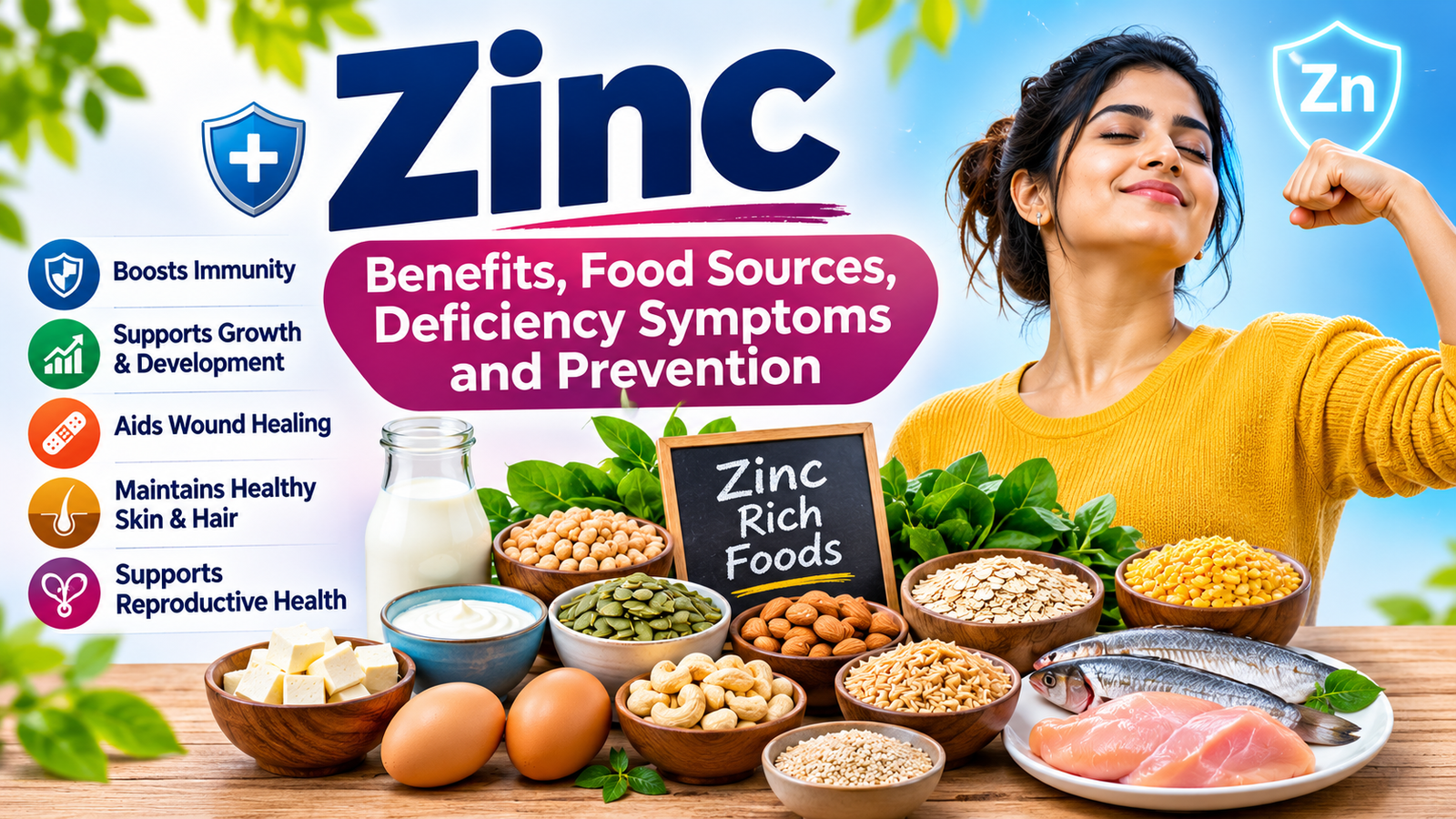
Zinc is an essential trace mineral that plays an important role in immune function, wound healing, growth and development, protein synthesis and DNA formation. Although the body requires zinc in relatively small quantities, it is involved in hundreds of enzymatic reactions and several important physiological processes.
Inadequate zinc intake may affect immunity, appetite, growth, skin health and wound healing. People who consume diets with limited variety, follow poorly planned vegetarian diets or have certain digestive disorders may be at increased risk of zinc deficiency.
In India, zinc can be obtained from everyday foods such as pulses, whole grains, nuts, seeds, dairy products, eggs, fish and meat.
Understanding zinc's functions, daily requirements, dietary sources, deficiency symptoms and factors affecting absorption can help individuals maintain better nutritional health.
This article explains everything about zinc, including its benefits, Indian food sources, recommended intake, deficiency, excess intake and practical dietary strategies.
1. What Is Zinc?
Zinc is an essential trace mineral required for normal growth, development and cellular functioning.
Unlike some nutrients, the human body cannot produce zinc or store large amounts of it for future use. Therefore, it must be obtained regularly through food or supplements when medically necessary.
Zinc is involved in more than 300 enzyme systems and participates in several important biological activities, including:
Protein synthesis.
DNA and RNA formation.
Cell growth and division.
Immune system functioning.
Wound healing and tissue repair.
Normal growth and development.
Reproductive health.
Taste and smell perception.
Carbohydrate and energy metabolism.
Antioxidant defense.
Zinc is present in almost every tissue of the body, with higher concentrations found in skeletal muscle and bones.
2. Health Benefits of Zinc
2.1 Supports Immune Function
One of the most important functions of zinc is maintaining a healthy immune system.
Zinc supports the development and activity of immune cells, including T lymphocytes, B lymphocytes and natural killer cells.
It contributes to:
Normal immune cell development.
Immune cell communication.
Antibody production.
Regulation of inflammatory responses.
Protection against oxidative stress.
Inadequate zinc intake can weaken normal immune responses and increase susceptibility to infections.
2.2 Supports Growth and Development
Zinc is particularly important during childhood, adolescence and pregnancy because these are periods of rapid growth and development.
It participates in DNA synthesis, protein formation and cell division.
Adequate zinc intake supports:
Normal childhood growth.
Tissue development.
Bone formation.
Cellular repair.
Adolescent development.
Fetal growth during pregnancy.
Zinc deficiency during childhood may contribute to growth retardation and delayed development.
2.3 Supports Wound Healing
Zinc plays an important role in tissue repair and wound healing.
It participates in collagen synthesis, cell proliferation and the activity of enzymes involved in tissue regeneration.
Adequate zinc status supports:
Skin repair.
Collagen formation.
Tissue regeneration.
Normal inflammatory responses.
Recovery from wounds.
Severe zinc deficiency can delay wound healing and impair skin integrity.
2.4 Supports Healthy Skin
Zinc contributes to maintaining normal skin structure and function.
It is involved in cellular turnover, tissue repair and antioxidant defense.
Adequate zinc intake supports:
Skin cell renewal.
Normal wound healing.
Maintenance of skin integrity.
Normal immune protection of the skin.
Zinc is also used in certain topical preparations for skin conditions. However, zinc supplementation should not be considered a universal treatment for acne or other skin disorders.
2.5 Supports Reproductive Health
Zinc is important for normal reproductive function in both men and women.
In men, zinc participates in sperm development, reproductive hormone metabolism and normal testicular function.
In women, zinc contributes to:
Normal cell division.
Reproductive tissue development.
Ovarian function.
Normal pregnancy development.
Fetal growth.
However, taking additional zinc supplements does not necessarily improve fertility in people who already have adequate zinc levels.
2.6 Supports Taste and Smell
Zinc is required for the normal functioning of taste and smell.
It participates in the activity of proteins and enzymes involved in sensory processes.
Zinc deficiency may contribute to:
Reduced taste perception.
Altered sense of smell.
Reduced appetite.
Changes in food preferences.
Improving zinc intake may help when these problems are associated with zinc deficiency.
2.7 Supports Protein Synthesis and Cell Division
Zinc is essential for the formation of proteins and genetic material.
It acts as a cofactor for enzymes involved in DNA replication, RNA transcription and protein synthesis.
These processes are necessary for:
Muscle maintenance.
Tissue growth.
Cellular repair.
Normal metabolism.
Development and regeneration.
2.8 Supports Antioxidant Defense
Zinc contributes to the body's antioxidant defense system.
It is involved in the structure and activity of antioxidant enzymes, including copper-zinc superoxide dismutase (Cu/Zn SOD).
These enzymes help protect cells against oxidative damage caused by reactive oxygen species.
Adequate zinc intake supports normal antioxidant function, although zinc supplements should not be considered a treatment for oxidative stress-related diseases.
2.9 Supports Normal Brain Function
Zinc is involved in neurotransmission, neuronal development and communication between brain cells.
It plays a role in:
Brain development.
Synaptic activity.
Learning and memory processes.
Normal nervous system functioning.
Both inadequate and excessive zinc levels can negatively affect neurological functioning.
2.10 Supports Normal Metabolic Function
Zinc participates in several enzymatic reactions involved in carbohydrate, protein and fat metabolism.
It is also involved in insulin synthesis, storage and secretion.
Maintaining adequate zinc intake is important for normal metabolic functioning. However, zinc supplements are not a substitute for diabetes treatment or other prescribed medical care.
3. Recommended Daily Zinc Requirement
Zinc requirements vary according to age, sex, growth, pregnancy and lactation.
According to ICMR-NINs 2020 recommendations, the approximate daily zinc requirements for Indians are:
| Population group | Recommended zinc intake |
|---|---|
| Adult men | 17 mg/day |
| Adult women | 13.2 mg/day |
| Pregnant women | 14.5 mg/day |
| Lactating women | 14.1 mg/day |
| Boys aged 10-12 years | 8.5 mg/day |
| Girls aged 10-12 years | 8.5 mg/day |
| Boys aged 13-15 years | 14.3 mg/day |
| Girls aged 13-15 years | 12.8 mg/day |
| Boys aged 16-18 years | 17.6 mg/day |
| Girls aged 16-18 years | 14.2 mg/day |
These values are based on Indian dietary reference recommendations and reflect the relatively lower absorption of zinc from typical cereal- and pulse-based diets.
Why Is Zinc Important During Pregnancy?
Zinc supports fetal growth, cellular division and tissue development.
Adequate zinc intake during pregnancy contributes to:
Fetal growth and development.
Maternal immune function.
DNA and protein synthesis.
Normal cell division.
Tissue development.
Pregnant women should obtain zinc through a balanced diet and follow professional guidance regarding prenatal supplements.
Why Is Zinc Important During Childhood and Adolescence?
Childhood and adolescence are periods of rapid physical growth.
Zinc supports:
Bone and tissue development.
Protein synthesis.
Immune function.
Cellular growth.
Sexual maturation.
A balanced diet containing pulses, nuts, seeds, dairy products, whole grains, eggs and other protein-rich foods can help meet daily zinc requirements.
4. Best Zinc-Rich Foods in India
A balanced Indian diet can provide zinc through plant-based and animal-based foods.
Animal-based foods generally provide zinc with higher bioavailability, while plant-based sources also contribute significantly to daily intake.
A. Nuts and Seeds
Nuts and seeds are useful sources of zinc, healthy fats, protein and other minerals.
| Food | Approximate zinc content per 100 g |
|---|---|
| Pumpkin seeds | 7-8 mg |
| Sesame seeds | 7-8 mg |
| Cashew nuts | 5-6 mg |
| Almonds | 3-4 mg |
| Peanuts | 3-4 mg |
| Sunflower seeds | 5 mg |
| Chia seeds | 4-5 mg |
Values are approximate and may vary according to variety and food composition.
How to include them in an Indian diet:
Add pumpkin seeds to salads.
Include almonds as a snack.
Prepare sesame seed chutney.
Add peanuts to poha and upma.
Include cashews in suitable meal preparations.
Add chia seeds to curd or smoothies.
Nuts and seeds are energy-dense, so portion sizes should be considered.
B. Pulses and Legumes
Pulses and legumes are important plant-based sources of zinc.
They also provide protein, dietary fiber, iron and other essential nutrients.
Useful sources include:
Chickpeas.
Black chana.
Kidney beans (rajma).
Green gram (moong).
Lentils (masoor dal).
Soybeans.
Black-eyed peas (lobia).
Peas.
Indian meal options include:
Moong dal.
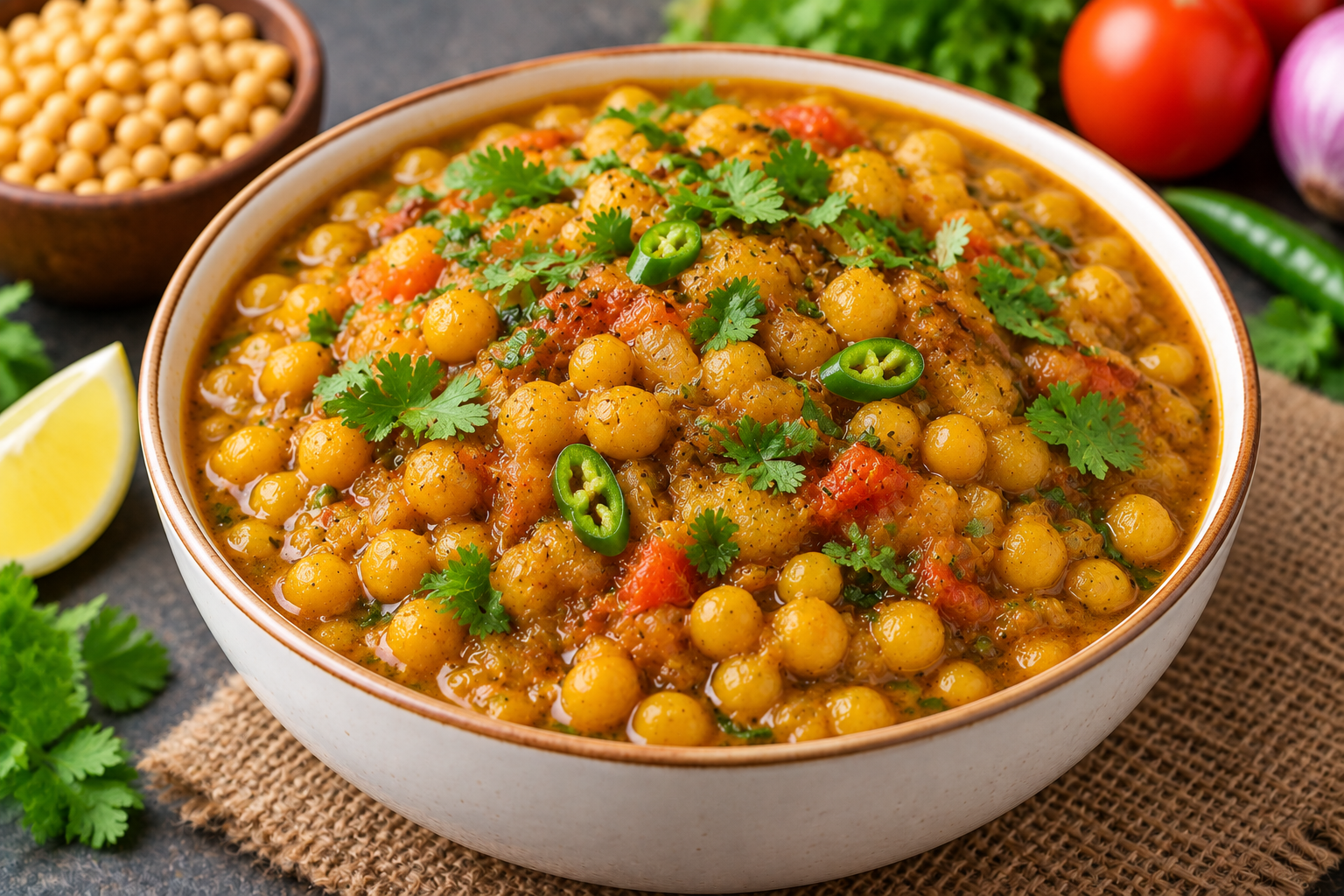
Chana masala.
Rajma curry.
Masoor dal.
Sprouted green gram.
Soybean curry.
Lobia curry.
Soaking, germination and fermentation can help reduce phytate content and improve mineral bioavailability.
C. Whole Grains and Millets
Whole grains and millets contribute zinc along with fiber, protein and other minerals.
Useful sources include:
Whole wheat.
Oats.
Brown rice.
Bajra.
Jowar.
Ragi.
Barley.
Whole wheat flour.
Practical Indian preparations include:
Bajra roti.
Jowar bhakri.
Ragi dosa.
Oats porridge.
Whole wheat chapati.
Brown rice.
Barley khichdi.
Choosing whole grains more frequently instead of highly refined cereals can improve overall micronutrient intake.
D. Dairy Products
Dairy products provide zinc along with protein and calcium.
Useful sources include:
Milk.
Curd.
Paneer.
Cheese.
Yoghurt.
They can be incorporated into everyday meals through curd, paneer preparations, milk-based beverages and other suitable dishes.
E. Eggs
Eggs provide zinc along with high-quality protein, vitamin B12 and other nutrients.
Common preparations include:
Boiled eggs.
Vegetable omelets.
Scrambled eggs.
Egg curry.
F. Fish and Seafood
Fish and seafood are valuable sources of zinc and high-quality protein.
Examples include:
Fish.
Crab.
Prawns.
Sardines.
Other seafood.
The zinc content varies according to the species and serving size. Oysters are particularly rich in zinc, although they are not commonly consumed in many Indian households.
G. Meat and Poultry
Meat and poultry provide zinc in a relatively bioavailable form.
Useful sources include:
Chicken.
Mutton.
Beef.
Other lean meat preparations.
Including suitable portions of these foods can help improve zinc intake in non-vegetarian diets.
H. Other Food Sources
Additional sources include:
Mushrooms.
Fortified breakfast cereals.
Whole grain bread.
Tofu.
Peas.
Fruits and vegetables generally contain smaller amounts of zinc compared with nuts, seeds, legumes, whole grains and animal-based foods.
5. Zinc Deficiency: Causes and Risk Factors
Zinc deficiency occurs when the body does not receive or absorb sufficient zinc to meet its physiological requirements.
It can result from inadequate dietary intake, poor absorption, increased nutritional requirements or excessive losses.
Common Causes of Zinc Deficiency
1. Inadequate dietary intake
People who consume diets with limited dietary diversity may not obtain sufficient zinc.
This can occur when diets are predominantly based on highly refined cereals with inadequate pulses, nuts, seeds and protein-rich foods.
2. Vegetarian and vegan diets
Plant-based foods contain phytates, which can bind zinc in the digestive tract and reduce its absorption.
People following vegetarian or vegan diets should include a variety of zinc-containing foods and appropriate food preparation methods.
3. Digestive disorders
Certain gastrointestinal conditions can reduce zinc absorption.
Examples include:
Crohn's disease.
Celiac disease.
Chronic diarrhea.
Inflammatory bowel disorders.
4. Increased nutritional requirements
Zinc requirements increase during periods of rapid growth, pregnancy and lactation.
Inadequate intake during these stages may increase the risk of deficiency.
5. Chronic illnesses
Some chronic health conditions can affect zinc absorption, metabolism or losses.
6. Alcohol dependence
Chronic excessive alcohol consumption may interfere with zinc absorption and dietary intake and increase the risk of nutritional deficiencies.
6. Symptoms of Zinc Deficiency
Zinc deficiency can affect several organs and body systems.
Common signs and symptoms include:
Loss of appetite.
Reduced taste and smell.
Delayed wound healing.
Hair loss.
Dry or irritated skin.
Frequent infections.
Diarrhea.
Poor growth in children.
Delayed sexual maturation.
Reproductive problems.
Skin lesions in severe deficiency.
Zinc Deficiency and Hair Loss
Zinc participates in cell division, protein synthesis and normal hair follicle functioning.
Severe zinc deficiency may contribute to hair loss.
However, hair loss can also occur due to iron deficiency, thyroid disorders, hormonal changes, stress and inadequate protein intake.
Therefore, zinc supplementation should not be started solely because of hair fall without assessing other possible causes.
Zinc Deficiency and Immunity
Zinc is essential for normal immune cell development and functioning.
Inadequate zinc status can impair immune responses and increase susceptibility to infections.
However, frequent infections do not automatically indicate zinc deficiency.
Zinc Deficiency and Poor Wound Healing
Zinc supports collagen formation, tissue regeneration and cellular repair.
Severe deficiency can delay wound healing and affect skin integrity.
Persistent or unexplained wounds require appropriate medical assessment.
7. Factors Affecting Zinc Absorption
Not all zinc consumed through food is absorbed by the body.
Its absorption depends on the composition of the diet, digestive health and individual nutritional status.
7.1 Phytates
Phytates are naturally occurring compounds found in:
Whole grains.
Beans.
Lentils.
Nuts.
Seeds.
They can bind zinc in the intestine and reduce its absorption.
However, these foods remain important components of a healthy diet because they provide fiber, protein and other essential nutrients.
7.2 Soaking and Germination
Soaking and germination can help reduce phytate levels in certain grains and legumes.
Useful food preparation methods include:
Soaking chickpeas before cooking.
Germinating green gram.
Fermenting dosa and idli batter.
Soaking beans before preparation.
Using properly processed whole grains.
These techniques may improve mineral bioavailability and digestibility.
7.3 Fermentation
Fermentation can reduce phytate content in certain foods and improve the availability of minerals.
Traditional Indian fermented preparations such as idli and dosa batter can contribute to dietary diversity.
7.4 Digestive Health
Healthy intestinal functioning is important for normal zinc absorption.
Chronic diarrhea, inflammatory bowel disease and certain intestinal disorders can impair zinc absorption.
7.5 High-Dose Iron and Zinc Supplements
High supplemental doses of iron and zinc taken together may affect the absorption of each other under certain conditions.
People taking multiple mineral supplements should seek professional guidance regarding dose and timing.
8. Zinc Toxicity: Can You Consume Too Much Zinc?
Yes. Although zinc is essential, excessive intake from supplements can cause adverse effects.
The risk of zinc toxicity is generally associated with high-dose supplements rather than ordinary food consumption.
Symptoms of Excessive Zinc Intake
Nausea.
Vomiting.
Abdominal discomfort.
Diarrhea.
Headache.
Dizziness.
Loss of appetite.
Long-term excessive zinc intake can interfere with copper absorption.
This may lead to copper deficiency, anemia, reduced immune function and neurological problems.
Tolerable Upper Intake Level
According to ICMR-NIN 2020, the adult tolerable upper limit for zinc is approximately 40 mg per day from habitual intake across food and supplements.
The upper limit is not a recommended daily target. It represents a level that should generally not be exceeded.
High-dose zinc supplements should only be used under appropriate medical supervision.
9. Zinc Supplements: Who May Need Them?
Most people should aim to meet their zinc requirements through a balanced diet.
However, supplementation may be considered when inadequate zinc intake or deficiency is identified.
People who may require nutritional assessment include:
Individuals following poorly planned vegetarian or vegan diets.
People with chronic digestive disorders.
Individuals with persistent diarrhea.
People with diagnosed zinc deficiency.
Individuals with certain conditions that increase zinc losses.
People with increased nutritional requirements and inadequate dietary intake.
Common Forms of Zinc Supplements
Zinc is available in different supplemental forms, including:
Zinc sulphate.
Zinc gluconate.
Zinc acetate.
Zinc citrate.
The amount of elemental zinc is more important than the total weight of the zinc compound.
For example, a supplement labelled as zinc sulphate 220 mg does not necessarily provide 220 mg of elemental zinc.
Always check the elemental zinc content on the product label.
Zinc supplementation should be individualized. Excessive intake can cause copper deficiency and other adverse effects.
10. Practical Dietary Strategies to Improve Zinc Intake
Small dietary changes can help improve zinc intake without depending entirely on supplements.
Some practical recommendations include:
Include pulses and legumes regularly in meals.
Add nuts and seeds to breakfast or snacks.
Choose whole grains more frequently instead of refined cereals.
Include dairy products, eggs, fish or lean meat according to dietary preference.
Use soaking and germination techniques when preparing legumes.
Include fermented foods as part of a varied diet.
Maintain adequate protein intake.
Avoid unnecessary high-dose zinc supplementation.
Follow a balanced and diverse dietary pattern.
Seek professional advice if deficiency symptoms persist.
Example of a Zinc-Rich Indian Dietary Pattern
| Meal | Food options |
|---|---|
| Breakfast | Vegetable poha with peanuts or besan chilla |
| Mid-morning | Seasonal fruit and a small portion of nuts |
| Lunch | Whole wheat roti, dal, vegetables and curd |
| Evening snack | Roasted chana or pumpkin seeds |
| Dinner | Rajma, chole, soybean curry or egg curry with rice or roti |
This is an illustrative food pattern, not a personalized diet plan. Actual portions should be adjusted according to individual energy and nutritional requirements.
Conclusion
Zinc is an essential trace mineral that supports immune function, growth and development, wound healing, reproductive health, protein synthesis and normal cellular metabolism.
Although the body requires zinc in relatively small quantities, inadequate intake can affect several physiological processes and may contribute to poor growth, reduced immunity, hair loss, skin problems and delayed wound healing.
A balanced Indian diet containing pulses, whole grains, nuts, seeds, dairy products, eggs, fish and meat can help meet daily zinc requirements.
Food preparation techniques such as soaking, germination and fermentation may improve zinc bioavailability from plant-based foods.
Ultimately, maintaining adequate zinc intake is not about taking high-dose supplements. It is about eating a varied, balanced diet and addressing nutritional deficiencies through appropriate professional guidance.
References
Indian Council of Medical Research - National Institute of Nutrition (ICMR-NIN). (2020). Nutrient Requirements for Indians: Recommended Dietary Allowances and Estimated Average Requirements. Hyderabad, India.
National Institutes of Health, Office of Dietary Supplements. Zinc: Fact Sheet for Health Professionals. https://ods.od.nih.gov/factsheets/Zinc-HealthProfessional/
National Institutes of Health, Office of Dietary Supplements. Zinc: Fact Sheet for Consumers. https://ods.od.nih.gov/factsheets/Zinc-Consumer/
World Health Organization. (2004). Zinc supplementation in the management of diarrhea. Geneva: WHO.
King, J. C., Brown, K. H., Gibson, R. S., et al. (2016). Biomarkers of Nutrition for Development (BOND)-Zinc Review. The Journal of Nutrition, 146(4), 858S-885S. https://doi.org/10.3945/jn.115.220079
International Zinc Nutrition Consultative Group (IZiNCG). Assessment of zinc status and dietary zinc requirements. https://www.izincg.org/






💬 Comments (0)
Be respectful. Website links and phone numbers are not allowed.