
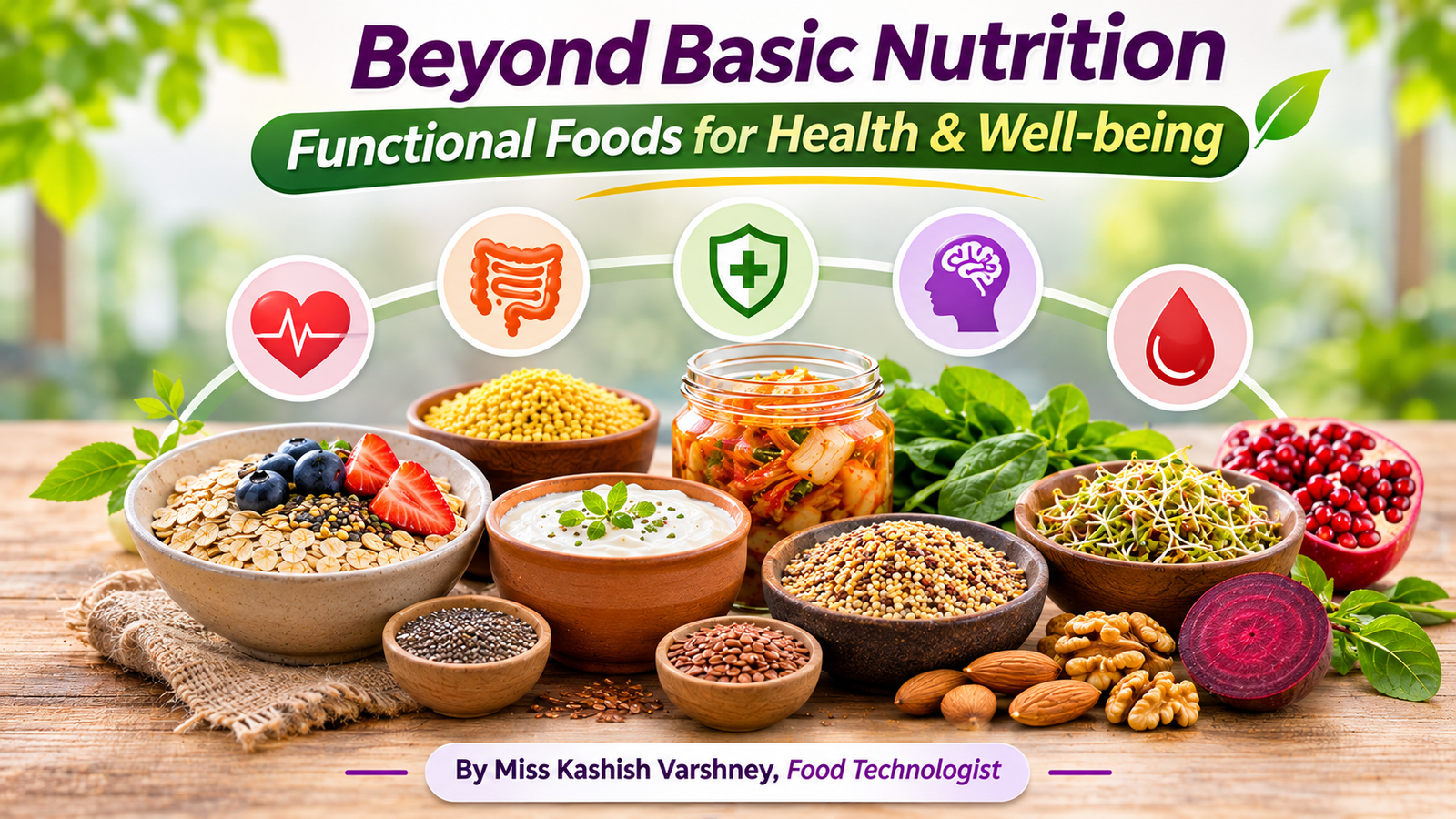
Walk through a supermarket aisle and you will find products labelled "immunity-boosting," "gut-friendly" and "heart-healthy." Some of these claims are supported by research, while others have limited scientific evidence. So how can consumers tell the difference?
Functional foods have attracted growing interest because certain foods and their bioactive components may offer benefits beyond basic nutrition. This article explores what research says, highlights familiar Indian food choices and explains how to evaluate health claims.
At a Glance
Functional foods may support health, but their benefits depend on the food, its composition, quantity and overall diet.
Oat beta-glucan has strong evidence for helping lower LDL cholesterol.
Omega-3 fatty acids can help reduce elevated blood triglycerides.
Millets and fermented foods show promising health effects, although more human research is needed.
Probiotic benefits are strain-specific; simply stating "contains probiotics" does not establish effectiveness.
In India, these products may not claim to treat, cure or prevent disease unless FSSAI permits it.
What Are Functional Foods?
Functional foods are generally understood as foods that may provide health benefits beyond their basic nutritional contribution. They can be naturally rich in bioactive compounds or modified through fortification, enrichment and other processing techniques. Examples include oats containing beta-glucan, foods rich in omega-3 fatty acids, fermented foods and products fortified with essential vitamins and minerals.
Their potential benefits include supporting cardiovascular health, digestive function and normal metabolic processes. However, the presence of a bioactive ingredient does not automatically make a food beneficial. Its effectiveness depends on factors such as the amount consumed, bioavailability, food matrix and supporting scientific evidence.
A 2026 review by Ma and colleagues highlights the growing interest in functional foods while identifying challenges such as differences in bioavailability, processing conditions and individual responses [1].
How Strong Is the Evidence?
Not all functional foods have the same level of scientific support. The following table provides a simplified assessment based on the research discussed in this article. These ratings are an editorial summary, not a formal grading of clinical evidence.
| Food or ingredient | What research suggests | Evidence assessment |
|---|---|---|
| Oat beta-glucan | Helps lower LDL cholesterol when consumed in adequate amounts | Strong evidence |
| Omega-3 fats (EPA and DHA) | Can reduce elevated blood triglycerides | Established benefit |
| Fermented foods | May influence gut microbial diversity and inflammatory markers | Emerging evidence |
| Millets | May improve blood glucose regulation and support hemoglobin levels | Promising evidence |
| Probiotic products | Benefits depend on the strain, dose and health condition | Strain-specific |
| Immune-supporting ingredients | Some show immune-related effects, but findings vary | Mixed evidence |
| Functional snacks for mood | Evidence for mental health benefits remains limited | Limited evidence |
Heart Health: Fiber and Omega-3 Fats
Certain dietary components have well-established roles in supporting cardiovascular health.
Oat beta-glucan is a soluble dietary fiber found in oats and barley. It forms a viscous mixture in the digestive tract, helping reduce cholesterol absorption and lower LDL cholesterol.
A systematic review and meta-analysis published in 2023 examined 28 studies involving 1,494 participants. It found that interventions involving whole oats and isolated beta-glucan improved lipid profiles, particularly total and LDL cholesterol levels. The extent of improvement varied depending on the intervention and study conditions [2].
Omega-3 fatty acids, particularly EPA and DHA, also play an important role in cardiovascular health. Found mainly in fatty fish and certain marine-derived ingredients, these fatty acids can help reduce elevated blood triglycerides. Their effects depend on the dose and formulation.
Plant sources such as flaxseeds and walnuts provide alpha-linolenic acid (ALA), which is not equivalent to the EPA and DHA found in marine sources.
For everyday diets, oats, barley, walnuts and flaxseeds can contribute valuable nutrients. However, these foods should complement a balanced diet rather than replace prescribed treatment.

Gut Health and Immunity
Fermented foods and probiotics are often associated with digestive health, but their benefits are not identical.
A 2021 randomized study published in Cell followed 36 healthy adults for 10 weeks. Participants consumed either a high-fiber diet or a diet rich in fermented foods. The fermented-food group showed increased gut microbial diversity and reductions in 19 inflammatory markers [3].
These findings are encouraging, but the study was relatively small and short. It does not establish that fermented foods can prevent or treat inflammatory diseases.
Probiotics require particular attention. They are live microorganisms that provide a health benefit when administered in adequate amounts. Their effects are strain-specific and cannot be generalized to every microorganism within a particular genus or species [4].
A 2024 review by Anwar and Wei examined the potential of probiotic strains in functional food development, including their nutritional and therapeutic applications. It also discussed challenges involving strain selection, stability and delivery through food products [4].
It is important to distinguish fermented foods from probiotic foods. Fermentation involves microbial activity that changes a food's characteristics, but not every fermented food contains microorganisms with clinically demonstrated probiotic benefits.
A 2026 review by Dini highlights this distinction and the importance of microbial identification, safety and evidence of health benefits [5].
For Indian consumers, curd and other traditionally fermented foods can be useful additions to everyday meals. However, not every fermented food qualifies as a probiotic food with a demonstrated health benefit.
Blood Sugar, Hemoglobin and Traditional Indian Grains
Millets such as ragi, jowar and bajra are traditional Indian grains that provide dietary fiber, minerals and other beneficial compounds.
A 2024 systematic review and meta-analysis found that regular millet consumption was associated with reductions in fasting and post-meal blood glucose. However, the findings were based on a limited number of studies, and significant improvements in HbA1c were not established [6].
Another 2024 meta-analysis reported higher blood hemoglobin levels among millet-consuming groups compared with those consuming refined staples. Some studies also reported improvements in anemia status among children [7].
These findings support including millets in a varied diet. However, millets should not be considered a standalone treatment for diabetes or anemia. Their nutritional benefits are best realized as part of balanced meals containing vegetables, pulses and other nutrient-rich foods.
Mood and Well-being: Ahead of the Science
Functional snacks containing ingredients such as probiotics, polyphenols and other bioactive compounds are increasingly marketed for mental well-being.
A 2026 systematic review of functional snacks examined their bioactive properties, food technologies and consumer acceptance. Evidence for measurable mental health benefits in humans remains limited [8].
Although the gut-brain connection is an active area of research, claims that a particular snack can improve mood, reduce anxiety or prevent depression should be approached cautiously. More well-designed human studies are needed.
Build a Functional Thali
You do not need expensive functional products to improve your diet. Many familiar Indian foods already provide useful nutrients and bioactive compounds.
The ICMR-NIN Dietary Guidelines for Indians (2024) encourage dietary diversity and balanced meals [9].
Some practical ways to apply these principles include:
Vegetables and fruits: Include a variety of seasonal vegetables, fruits and green leafy vegetables.
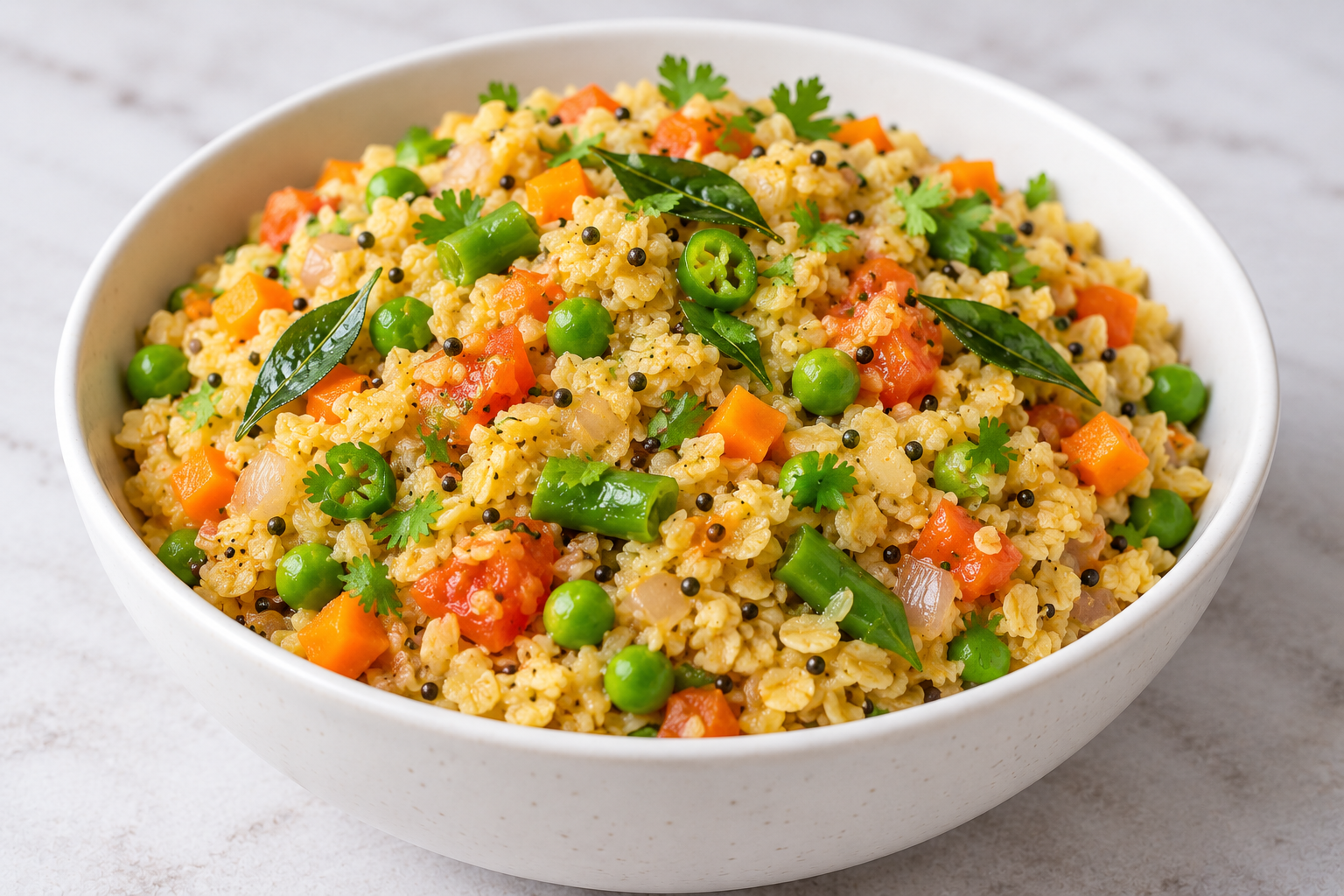
Whole grains: Replace some refined cereals with whole grains such as oats, barley and millets.
Pulses and legumes: Include dals, beans, chickpeas and other pulses for protein and dietary fiber.
Fermented foods: Add curd or other traditionally fermented foods to meals.
Nuts and seeds: Include suitable portions of nuts and oilseeds such as walnuts, flaxseeds and sesame seeds.
Healthy fats: Use oils and fats in moderation and choose a varied diet rather than relying on a single ingredient.
A diverse, minimally processed diet is a more practical foundation for long-term health than depending on individual products marketed as functional foods.
The Label Detective: Four Checks Before You Buy
Functional food claims can influence purchasing decisions, but a health-related statement on a package does not automatically establish that a product is effective.
1. Identify the product category
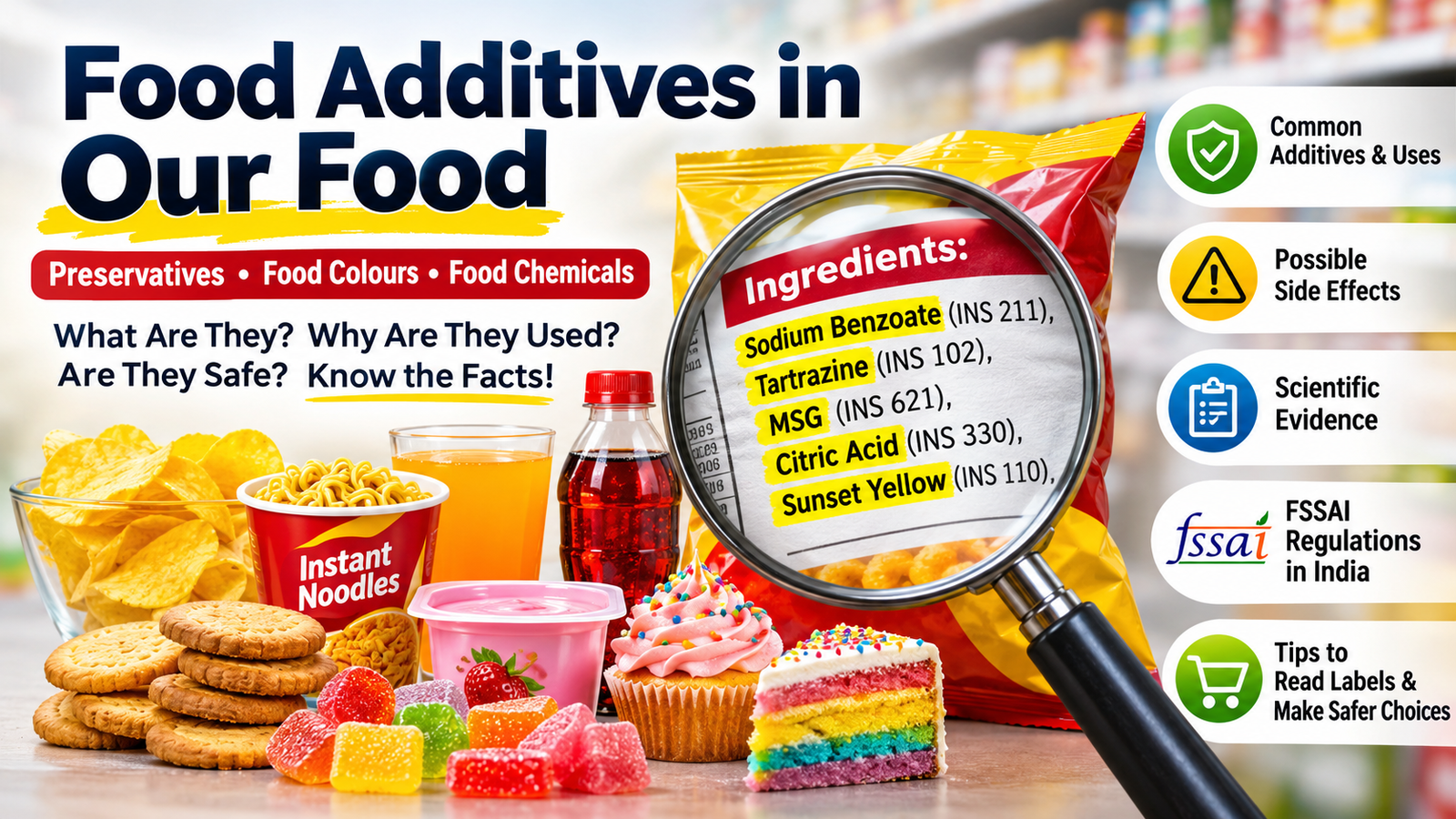
FSSAI regulates products such as health supplements, nutraceuticals, foods for special dietary use, foods for special medical purposes and prebiotic and probiotic foods under applicable provisions. Check the category declaration and other mandatory label information.
2. Be cautious about health claims
Claims that a food can treat, cure or prevent a disease are not permitted unless specifically authorized under the applicable regulatory framework. Other health and nutrition claims must meet relevant FSSAI requirements [10].
3. Check probiotic information
If a product claims to contain probiotics, look for the microorganism's identity, strain information and declared quantity. A generic statement such as "contains probiotics" does not tell you whether the strain has demonstrated a health benefit.
4. Read the complete nutrition label
A product fortified with vitamins or enriched with bioactive ingredients is not automatically healthy. Check its sugar, salt, saturated fat and overall nutritional composition. Fortification cannot compensate for an otherwise poor nutritional profile.
Understanding India's Regulatory Framework
FSSAI's specialized regulations for health supplements and nutraceuticals have undergone changes. The 2016 regulations were followed by a revised 2022 framework, which was operationalized through directions under Section 16(5) of the Food Safety and Standards Act, 2006.
FSSAI issued a further direction on 30 August 2024, re-operationalizing specified provisions with effect from 1 July 2024 while finalization of the draft regulations remained pending [10, 11].
Consumers and food businesses should therefore refer to the latest FSSAI notifications and directions rather than relying on older summaries of the regulations.
Your One-Week Challenge
Try these simple changes over the next seven days:
Replace one refined-grain meal with a whole-grain or millet-based option.
Include one fermented food, such as curd, in your daily meals.
Add a small portion of nuts or seeds to your diet.
Read one packaged food label and check its ingredients, nutritional information and health claims.
Small, consistent dietary changes can be more useful than relying on products promising quick results.
Myth or Fact?
"Functional food is the same as medicine." - Myth.
Functional foods may support normal body functions, but they are not substitutes for medical treatment.
"All probiotics work in the same way." - Myth.
Their effects depend on the specific strain, dose and intended health benefit [4, 5].
"Fortified food is always healthy." - Myth.
Added nutrients do not automatically make a product nutritionally balanced.
"You need expensive products to eat functionally." - Myth.
Everyday foods such as oats, millets, pulses, curd, fruits and vegetables can contribute valuable nutrients.
The Bottom Line
Functional foods can contribute to health, but their benefits depend on the ingredients, amounts consumed and quality of scientific evidence. Some components, such as oat beta-glucan, have well-supported benefits, while others remain under investigation.
The best approach is to build meals around varied, minimally processed foods and treat specialized functional products as optional additions rather than necessities.
Instead of following every health claim on a package, look for reliable evidence, read labels carefully and make informed food choices.
Disclaimer: This article is intended for general educational purposes and is not a substitute for personalized medical or dietary advice. People with medical conditions, those taking regular medication, and pregnant or breastfeeding women should consult a qualified healthcare professional before using supplements. Food regulations may change; refer to the latest FSSAI notifications for current requirements.
References
Ma ZF, Liu S, Fu C, Zhou S, Lee YY. (2026). Functional Foods in Health Promotion and Disease Prevention: Innovations, Evidence and Challenges. Foods, 15(4), 764. Read the paper.
de Morais Junior AC, Schincaglia RM, Viana RB, Armet AM, Prado CM, Walter J, Mota JF. (2023). The Separate Effects of Whole Oats and Isolated Beta-Glucan on Lipid Profile: A Systematic Review and Meta-Analysis of Randomized Controlled Trials. Clinical Nutrition ESPEN, 53, 224â237. Read the paper.
Wastyk HC, Fragiadakis GK, Perelman D, Dahan D, Merrill BD, Yu FB, et al. (2021). Gut-Microbiota-Targeted Diets Modulate Human Immune Status. Cell, 184(16), 4137-4153.e14. Read the paper.
Anwer M, Wei MQ. (2024). Harnessing the Power of Probiotic Strains in Functional Foods: Nutritive, Therapeutic, and Next-Generation Challenges. Food Science and Biotechnology, 33, 2081-2095. Read the paper.
Dini I. (2026). Probiotics and Fermented Foods in Human Nutrition. Molecules, 31(8), 1353. Read the paper.
Anitha S, Tsusaka TW, Botha R, Givens DI, Rajendran A, Parasannanavar DJ, et al. (2024). Impact of Regular Consumption of Millets on Fasting and Post-Prandial Blood Glucose Level: A Systematic Review and Meta-Analysis. Frontiers in Sustainable Food Systems, 7, 1226474. Read the paper.
Anitha S, Tsusaka TW, Givens DI, Kane-Potaka J, Botha R, Sulaiman NLB, et al. (2024). Does Millet Consumption Contribute to Raising Blood Hemoglobin Levels Compared to Regular Refined Staples? A Systematic Review and Meta-Analysis. Frontiers in Nutrition, 11, 1305394. Read the paper.
Systematic Literature Review of Functional Snacks: Bioactive Properties, Food Technologies, and Consumer Acceptance. (2026). Foods, 15(18), 3345. Read the paper.
Indian Council of Medical Research-National Institute of Nutrition (ICMR-NIN). (2024). Dietary Guidelines for Indians. Read the guidelines.
Food Safety and Standards Authority of India (FSSAI). (2018). Food Safety and Standards (Advertising and Claims) Regulations, 2018. FSSAI website.
Food Safety and Standards Authority of India (FSSAI). (2024). Direction regarding Re-operationalization of Draft Health Supplements and Nutraceuticals Regulations. 30 August 2024. Official FSSAI document.






💬 Comments (0)
Be respectful. Website links and phone numbers are not allowed.